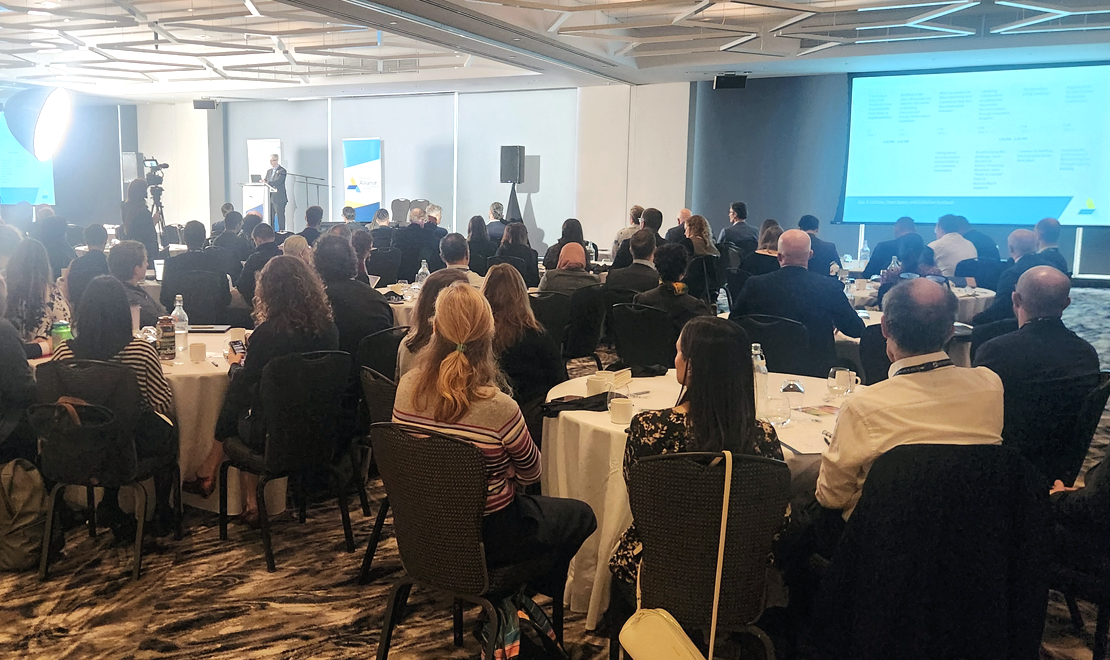
Turning Insights into Action
The 2025 National Building Decarbonization Forum made one thing clear: we are no longer waiting for breakthrough technology. For developers, owners, and operators, the next decade won’t reward the most enthusiastic — it will reward the most prepared.
Mike Hassaballa, Lead Consultant - Energy Infrastructure at HH Angus, attended the conference and shares his key takeaways:
We are now in the phase where policy, data, and execution decide who moves first and who gets left behind. From our perspective as engineers and advisors, three themes really matter for building owners, operators, ESCOs, and developers.
Policy And Markets Are Now Design Inputs
A recurring pattern across the sessions was simple. A solution can be technically sound and financially attractive and still sit on the shelf until policy changes.
Once green standards tighten, performance thresholds become mandatory, or carbon costs are embedded in planning rules, those same solutions quickly become the obvious path.
What this means in practice:
- For developers, the real driver is often policy timing and risk, not enthusiasm for new technology.
- For owners and operators, the biggest exposure is policy instability. One election or change in market rules can materially shift long term asset value.
- For projects, policy can no longer be a single line item. It needs to be treated as a scenario in the design process.
The more robust strategies are those that still make sense under stricter standards, softer standards, and delayed action. That framing lands well with boards and lenders, because it is about resilience, not ideology.
Data, Portfolios, And Buildings as Energy Assets
The Forum highlighted a growing consensus. Low carbon at scale is held back less by equipment and more by information.
Utilities, cities, and owners all described the same problems: inconsistent data formats;
limited access to historical consumption; and privacy concerns interpreted so conservatively that useful aggregation is blocked. As a result, lenders and investors cannot compare buildings easily, and portfolio decisions take longer than they should.
At the same time, there is a clear shift in how leading players view buildings:
- Buildings are starting to be treated as energy assets, not just loads, with on-site generation, storage, and flexible demand.
- Thermal energy networks and district systems are moving from pilot projects toward core infrastructure in some municipalities.
- High density and AI data centres are emerging as large, steady sources of recoverable heat, but only where planning for networks, grid capacity, and land use is aligned.
For owners and developers, the practical implications are:
- Get your data house in order now. Standardized meters, building identifiers, and data structures are becoming as important as drawings and specifications.
- In growth areas, design new buildings to be “network ready”, with low temperature hydronics and clear interfaces for future connection.
- View decisions at portfolio level. The right answer for one building may be different when seen inside a larger group of assets with shared loads and infrastructure.
Retrofit Strategy, Capital Cycles, And the Story You Tell
The hardest questions at the Forum were not about technology. They were about timing, disruption, and communication. On retrofit depth, the broad message was:
- For most existing commercial and institutional buildings that suffer from operational drift, targeting approximately a one-third reduction in energy use is often achievable and cost effective.
- Pushing to very deep reductions can make sense, but usually only when aligned with major lifecycle events, such as recladding, change of use, or end of life replacement.
- Envelope work is disruptive. Tenancy, leases, and the asset strategy must be part of the conversation, not just energy use per square metre.
On new construction, the message was blunt. It is almost always cheaper to build high performance once than to retrofit later.
Speakers also turned repeatedly to the importance of narrative. In several jurisdictions, strong technical cases for electrification and heat pumps have been overshadowed by misinformation or politicized debate. Policy frameworks have shifted quickly when they lost public support.
So, for major decarbonization projects, numbers are necessary but not sufficient. Owners and project teams also need a clear, simple story that explains:
- Why this project makes financial sense over the life of the asset.
- How it manages risk across different policy and market futures.
- What it means for comfort, reliability, and long-term value.
That story needs to work for boards, tenants, and the public.
HH Angus' Energy Infrastructure and Digital Services teams have the expertise to help clients address many of the issues discussed in this article - if you would like to continue the conversation, reach out to Mike Hassaballa at the email address below.