
Service: Electrical Engineering
Novartis Pharmaceuticals Canada Inc.
755 Berri Street, Montreal
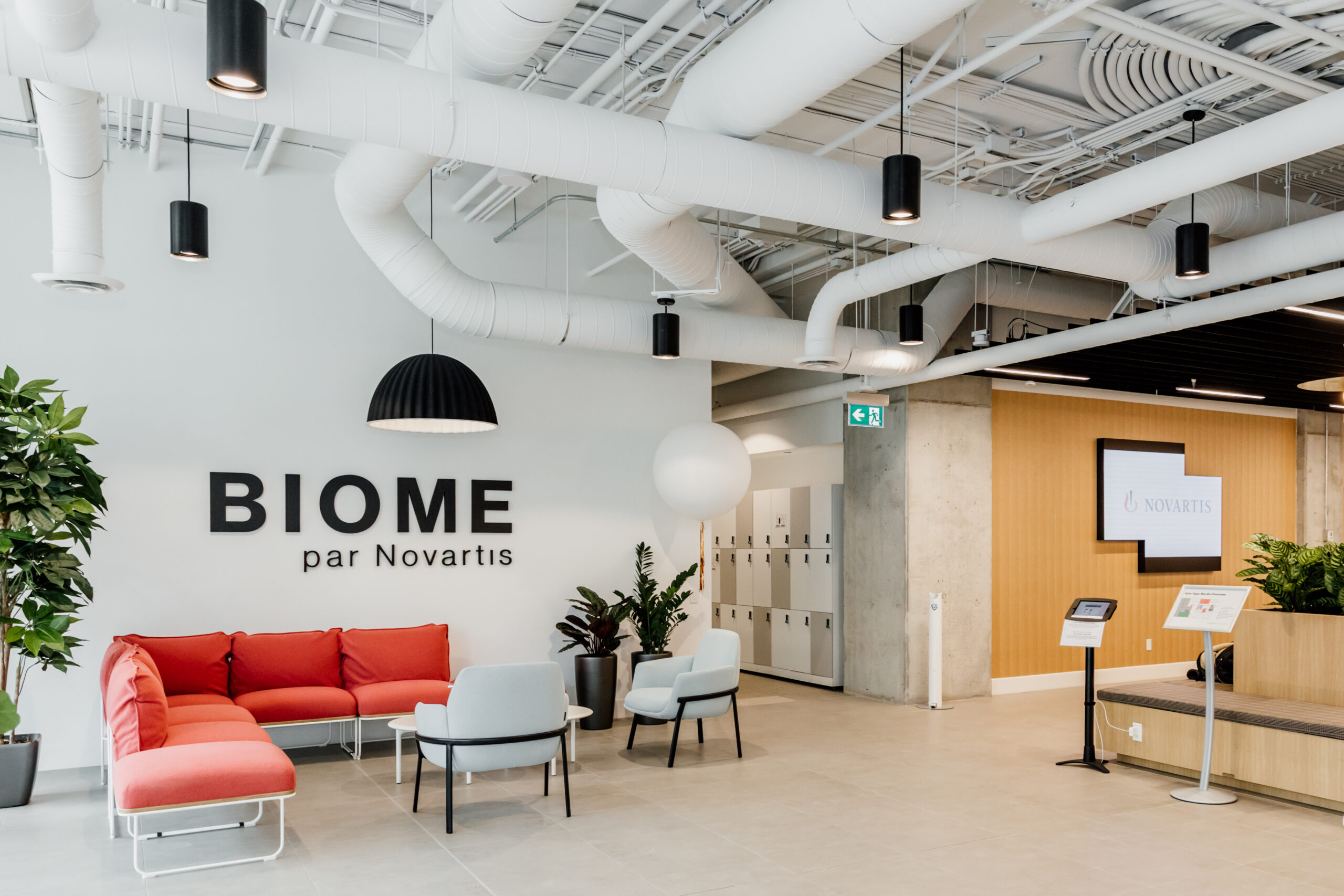
Novartis Canada needed to rethink their physical work
space to better support their focus on innovation. They
relocated their headquarters from Dorval to downtown
Montreal close to transit, amenities and, most importantly, many of their healthcare and technology partners.
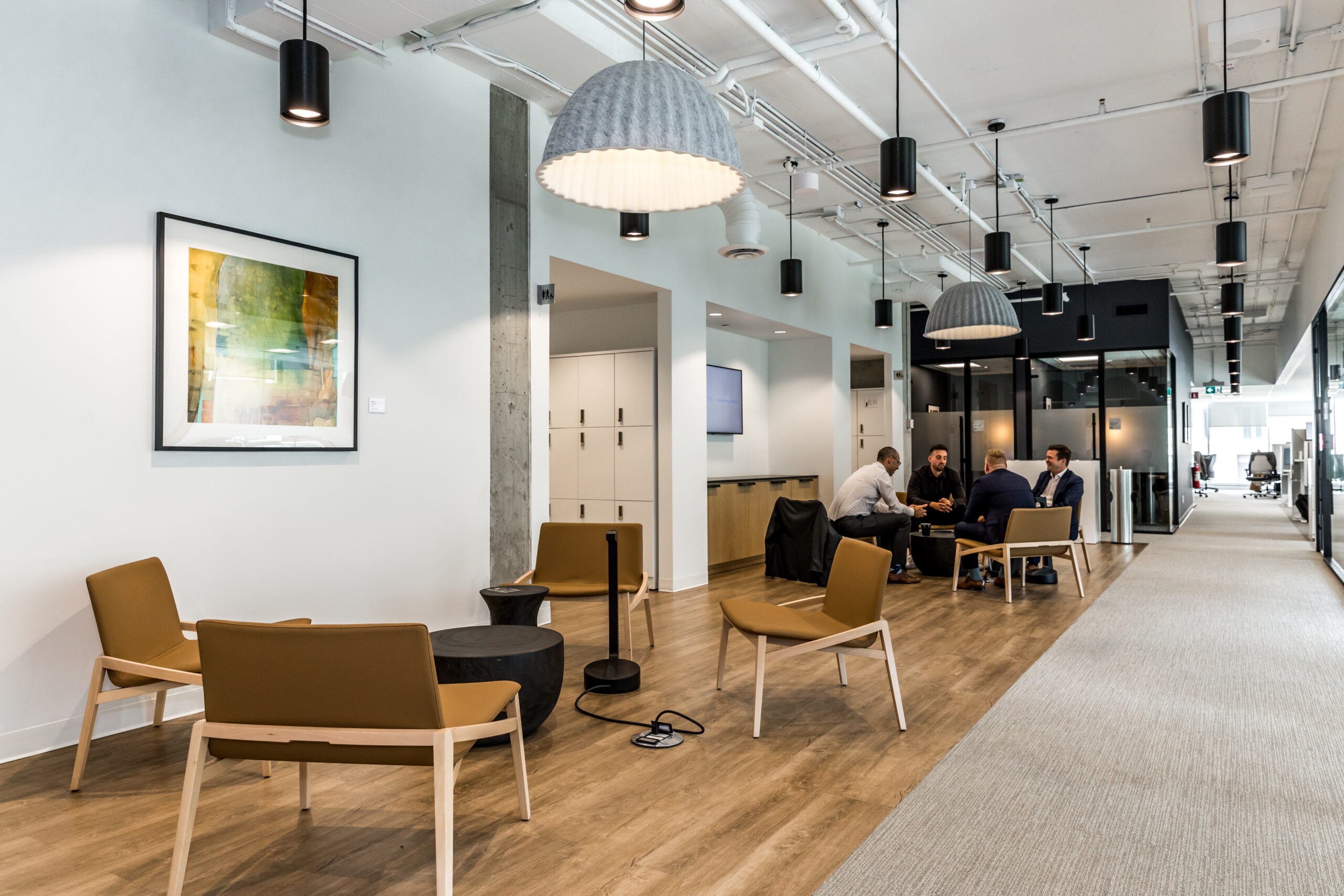
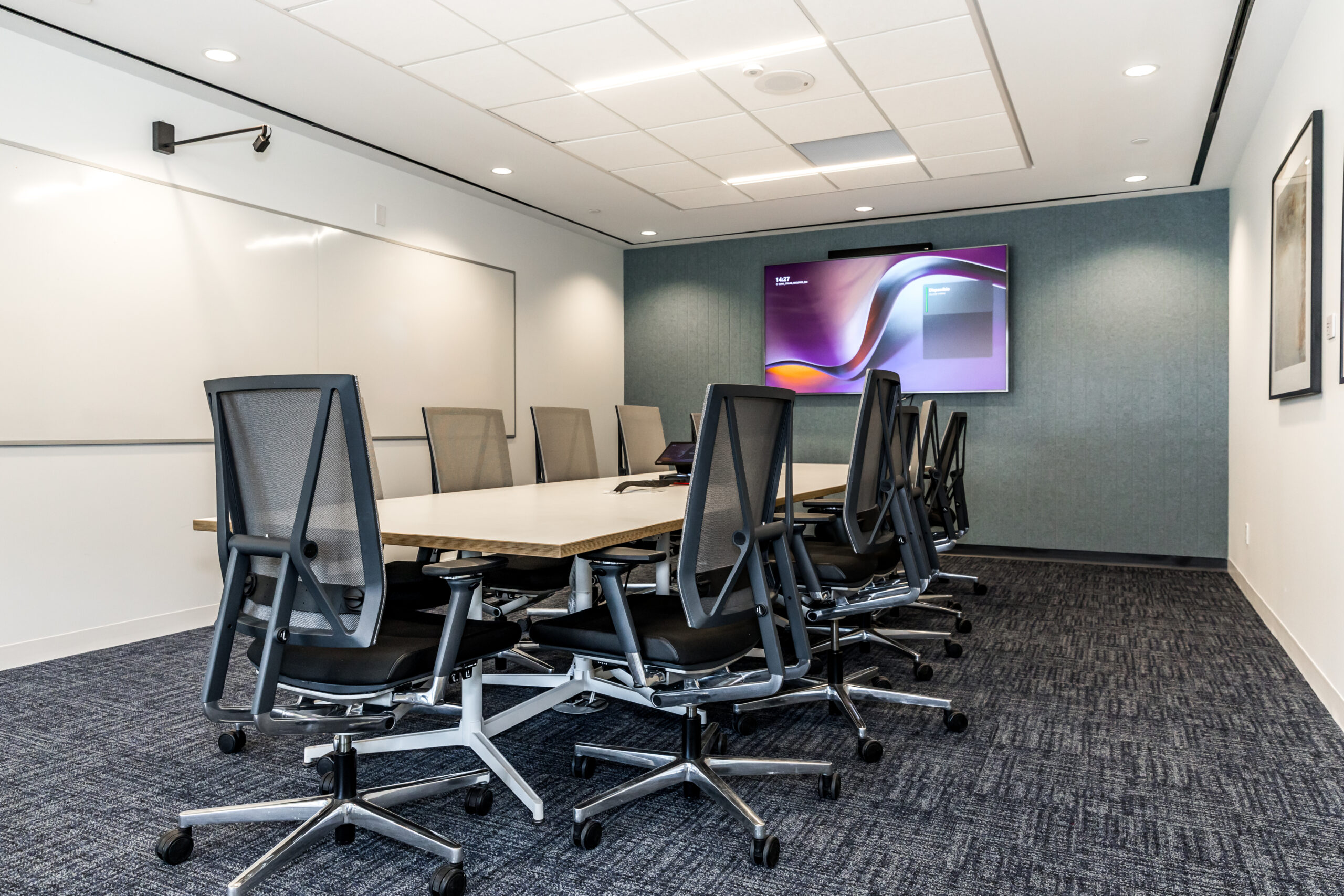
The project involved the fit-up of a two-storey, 32,291 ft2 commercial office space. Our design services included on-site verification of existing mechanical, electrical and communications systems, as well as reviewing the integration of the lighting design. The new space has 100 unassigned workstations and 21 meeting rooms, which range in size to fit anywhere from four to 10 people, are equipped with digital touchscreen reservation system.
HH Angus assessed the mechanical and electrical base building systems and coordinated communication requirements with the client’s IT representative. Final deliverables comprised mechanical, electrical, and communications drawings and specifications. The deliverables were executed in English and French for permit, tender, and construction.
While doing the project, Gensler, the client, requested additional services to accommodate an expedited and compressed schedule. As a solution to this, HH Angus mobilized additional designers in the various disciplines and added assistance of internal project management staff. Moreover, more meetings were set to better coordinate the design. Overall, HH Angus, as part of their role of executing the Gensler’s goal, assimilated into the client’s mission in order to successfully execute the project.
SERVICES
Electrical Engineering, Mechanical and Communications Drawings and Specifications
PROJECT FEATURES
The project involved the fit-up of a two-storey, 32,291 ft2 commercial office space | Status: Completed 2023
LOCATION
Montreal, QC
KEY SCOPE ELEMENTS
The deliverables comprised mechanical, electrical, and communications drawings and specifications.
TELUS
Len Werry Building Turbine Replacement
The TELUS Len Werry Building in downtown Calgary houses offices, computer facilities, toll switch equipment, and local switching equipment for a major toll complex.
The project involves the replacement of the building's existing turbines with new reciprocating diesel generators and redundant synchronization switchboards in a new penthouse on top of the building.
HH Angus is providing electrical engineering services to support upgrades to the electrical distribution system related to the installation of the new diesel generators.
SERVICES
Electrical Engineering
PROJECT FEATURES
Infrastructure replacement in occupied commercial tower | Status: Ongoing
LOCATION
Calgary, Alberta
KEY SCOPE ELEMENTS
Upgrades to electrical distribution system
Infrastructure Ontario
Grandview Children's Centre Redevelopment
The Grandview Children's Centre is the new headquarters for Grandview Kids/The Jerry Coughlan Building, specializing in care and support for children and youth with physical, communication and developmental needs, and their families.
Grandview Kids headquarters - ‘The Jerry Coughlan Building’ - sought to consolidate locations to provide better coordinated care in Durham Region for children and youth with physical, communication and developmental needs.
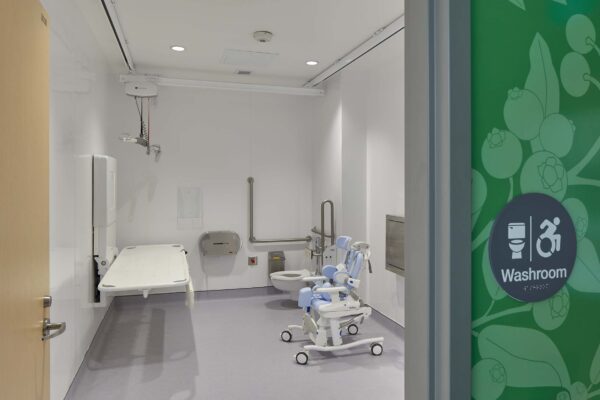
The 94,744 ft2, 4-storey educational and treatment facility includes centre-wide therapy services, such as occupational therapy, physiotherapy, speech-language pathology, therapeutic recreation, audiology, infant hearing, blind low vision and social work. The building contains a therapy pool area which includes an integrated AV system to create a more relaxing and therapeutic environment. It also offers autism services, a preschool outreach program, school-based rehabilitation services, developmental pediatrics, including specialized medical clinics, and family/caregiver resources and support.
HH Angus provided mechanical and electrical engineering, and design for plumbing, vertical transportation, lighting, audio visual, communications, security, and information communications technology services ‒ with a key design imperative to create sensory-friendly, safe, and comfortable environments for children with diverse needs.
During design, our team and the architect held multiple user meetings by department, including facility leadership. Through rounds of meetings, we continually developed and revisited the design. Ongoing feedback identified risk and risk locations for those using these facilities. This resulted in relocating light switches, thermostats and other activatable devices for certain rooms away from usual locations to avoid tampering or harm to clients, staff or visitors.
The facility is also home to Grandview School, as well as a branch of the Ajax Public Library. As well, the building site features a therapeutic trail that integrates security into the landscaping for added safety while maintaining the appearance of being surrounded by nature.
The project was delivered through the P3 (Design Build Finance) model and won the Award of Merit for Project Development at the Canadian Council for Public-Private Partnership’s (CCPPP) 2022 National Awards for Innovation and Excellence in Public-Private Partnerships.
SERVICES
Mechanical Engineering | Electrical Engineering | Information and Communications Technology | Vertical Transportation
PROJECT FEATURES
Size: 94,744 ft2 | Status: Completed 2024 | P3-DBF | CCPPP 2022 Award of Merit for Project Development
LOCATION
Ajax, Ontario
KEY SCOPE ELEMENTS
Integrated Grandview School and Ajax Public Library branch

The Co-operators Calgary
Tenant Fitout
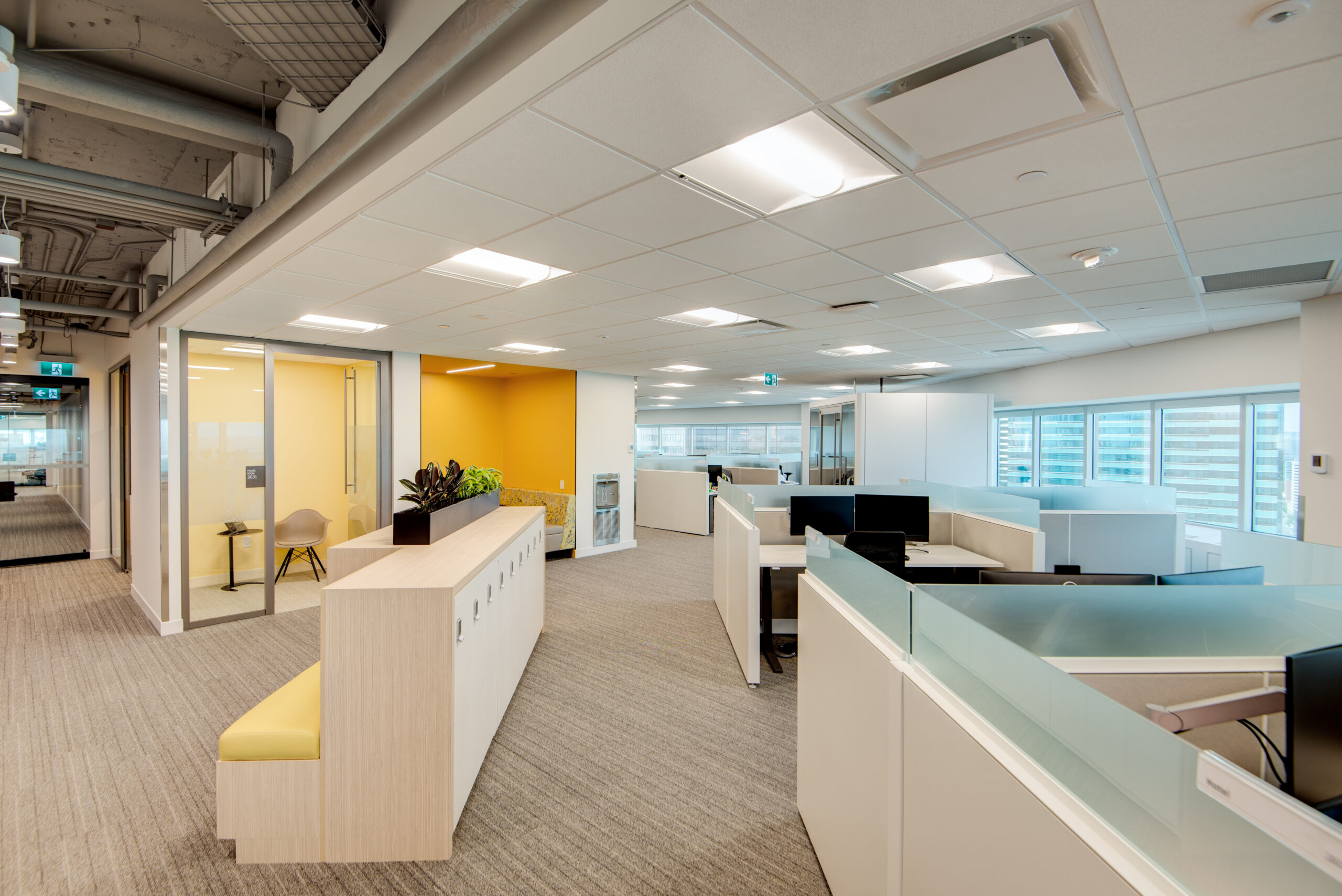
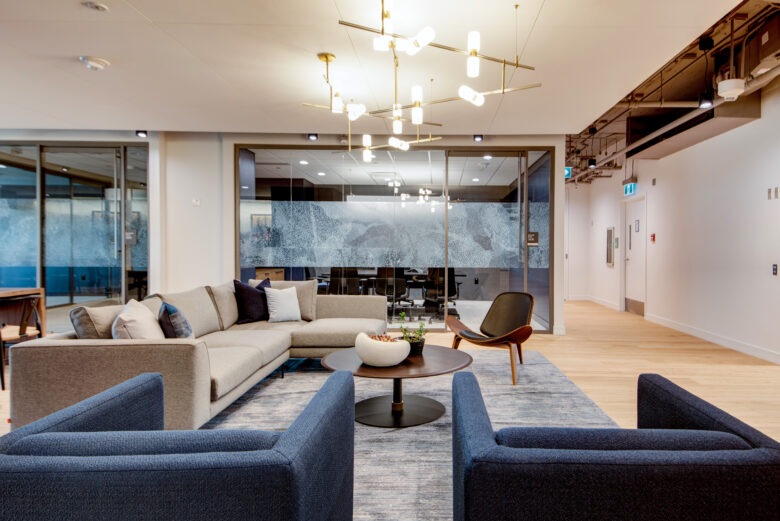
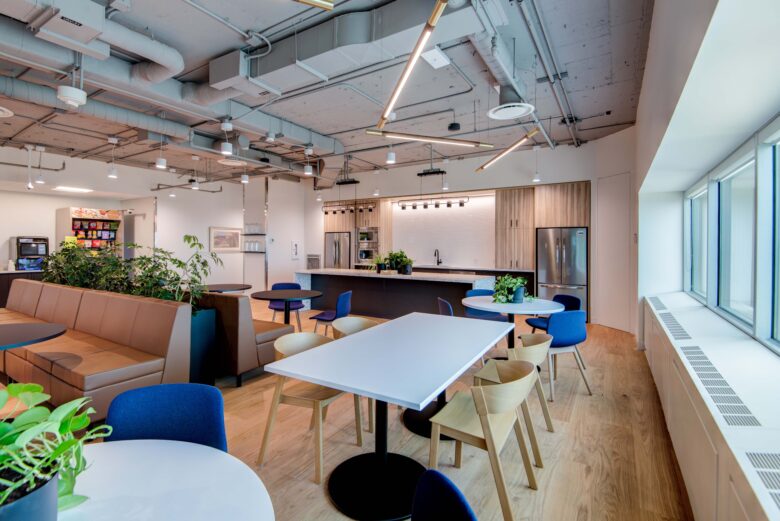
This project focused on a tenant renovation of two floors in The Co-operators' newly-acquired downtown Calgary office space, and comprised 40,000 square feet. The project has been certified WELL Gold.
Our approach included early coordination with the landlord to ensure handover conditions suited the client’s requirements, as well as close coordination with the construction manager in creating a pre-order due to a condensed construction schedule.
The construction schedule was a key challenge of the project along with the timing of tender. The completion date was an unmovable milestone as the client’s lease was expiring at their other location. At time of tender, product and material availability were fluctuating, which created uncertainty around delivery. To meet the deadline, our team was tasked to do everything possible to ensure the success of the project and keep the schedule on track.
To help ensure timely delivery, our team incorporated a pre-order package for the construction manager to tender, which allowed products to be reviewed and released ahead of the official tender. This effort was successful and was completed according to plan; however, some delivery delays were unavoidable, due to market conditions. To mitigate the impact, we were then tasked with contacting industry partners to help expedite deliveries. In addition, alternative temporary designs were implemented to ensure the move-in date could be met by planning the switchover date once the outstanding equipment arrived.
The Calgary office marks our fifth tenant improvement project for The Co-operators, following similar fitouts for their locations in Guelph ON and Regina SK, as well as pilot projects in Montreal QC and Burlington ON.
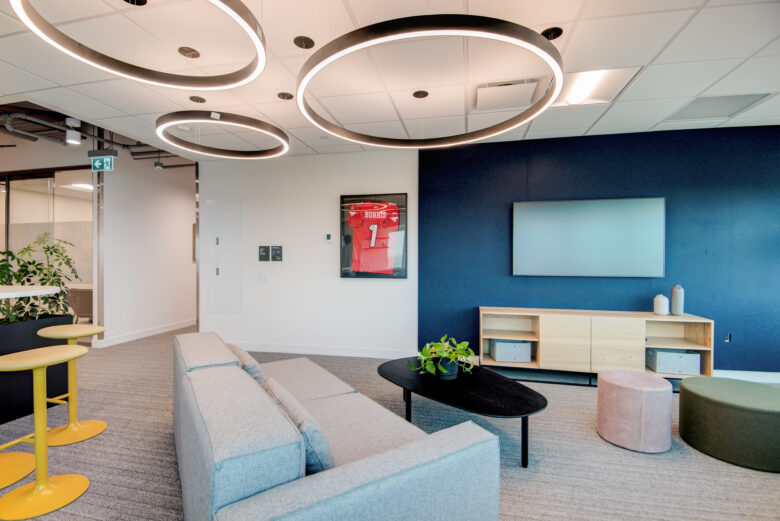
New Lutron lighting control design
New UPS N+1 Design and new LED Lighting Design
SERVICES
Mechanical Engineering | Electrical Engineering | Lighting Design | Communications & Security Design
PROJECT FEATURES
Size: 40,000 ft2 over two floors | Status: Completed 2023
LOCATION
Calgary, Alberta
KEY SCOPE ELEMENTS
Feasibility Study | Tenant renovation | Condensed construction schedule | WELL Gold certified
City of Toronto
Nathan Phillips Square Spirit Garden
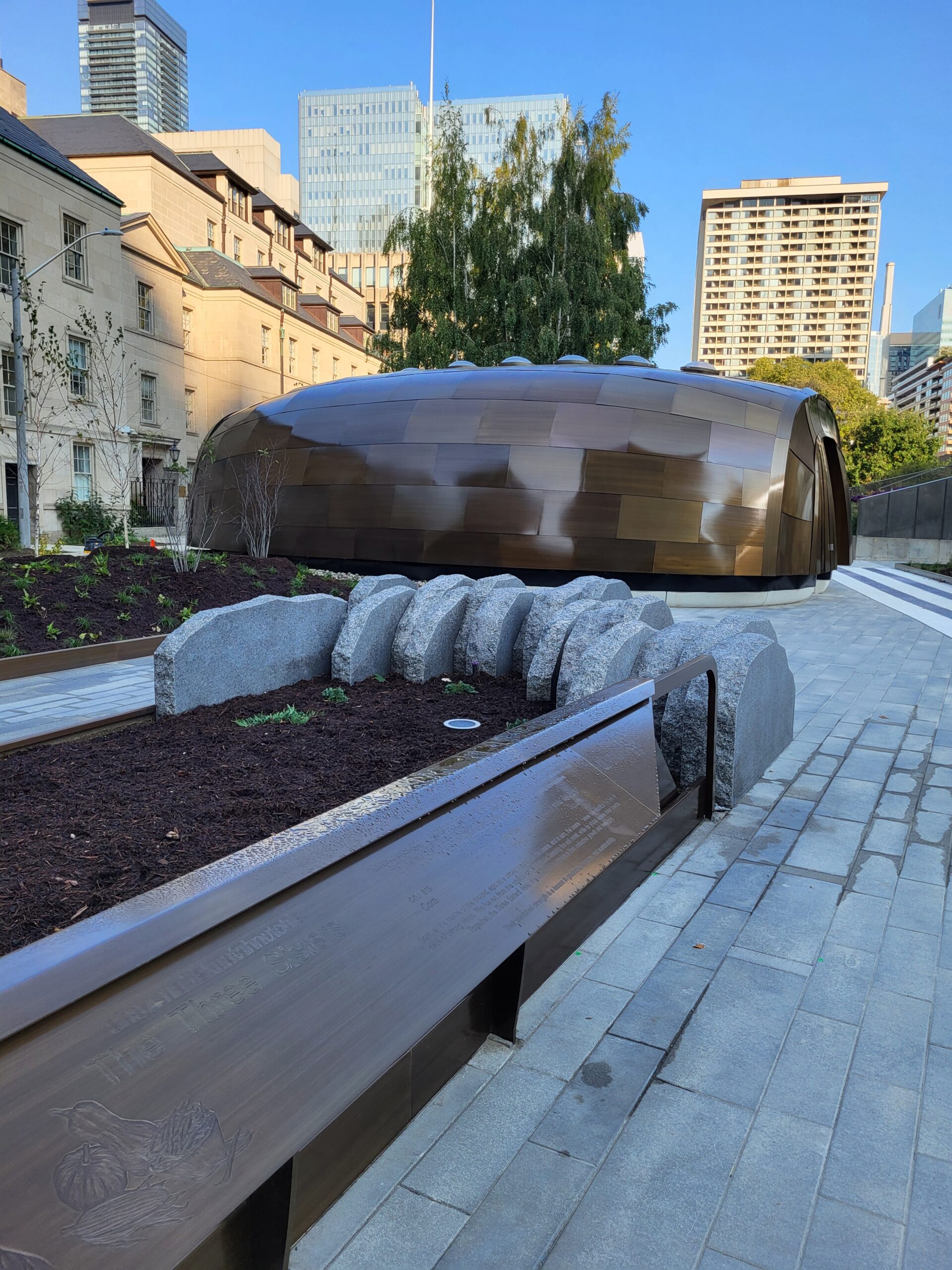
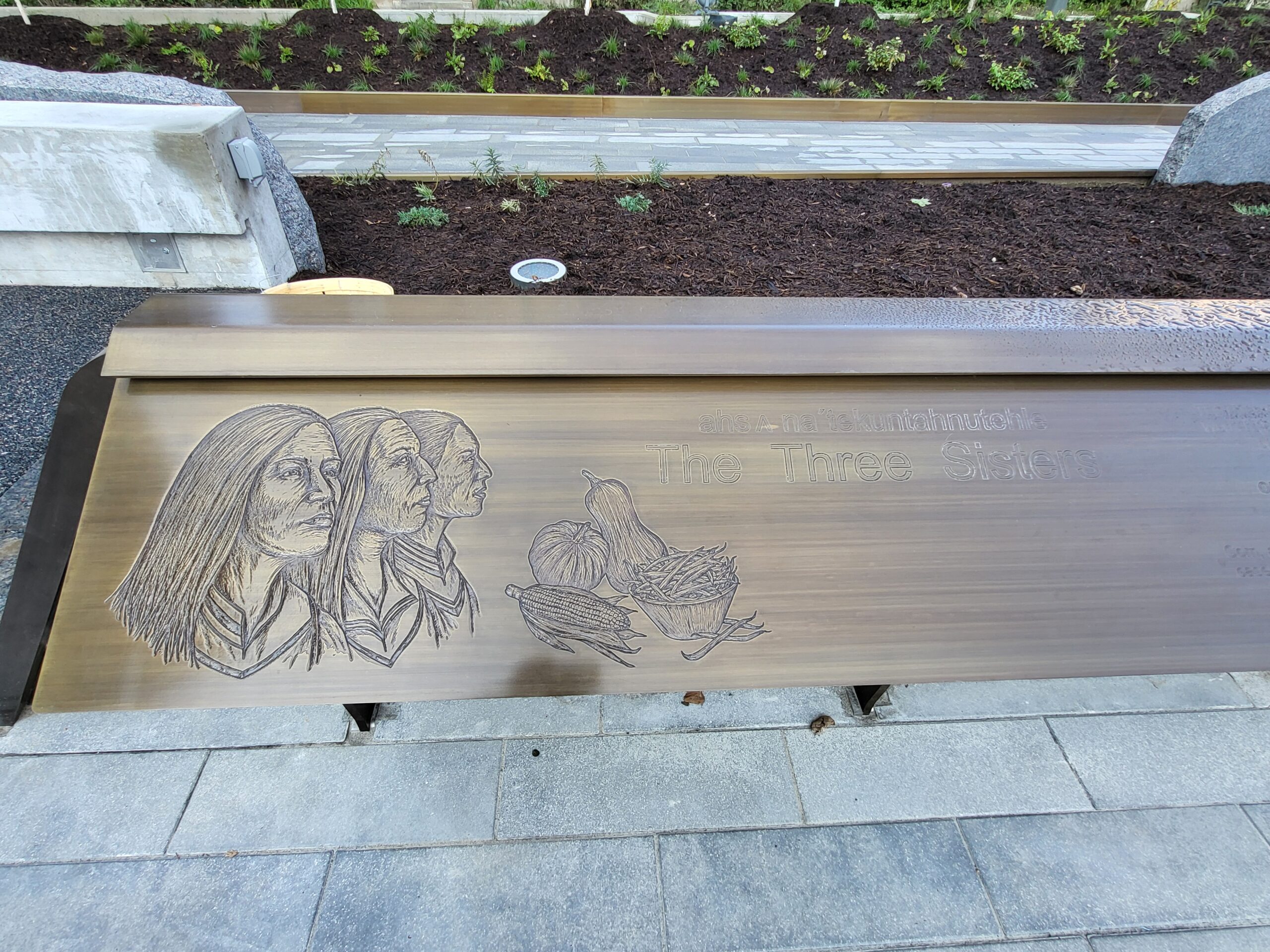
The Spirit Garden in Nathan Phillips Square — recipient of the 2025 Canadian Wood Council Wood Design & Building Award, as well as an Award of Excellence from the Toronto Urban Design Awards — is part of the City’s revitalization of its landmark civic space at New City Hall. As part of the improvements, a new Teaching, Learning, Sharing, and Healing space was designed and constructed to recognize and honour the experience of Indian Residential School Survivors.
The Nathan Phillips Square Spirit Garden responds to the Truth and Reconciliation Commission’s ‘Call to Action 82’, establishing a permanent monument in Canada’s largest city. Spanning 20,650 ft2, this living memorial honours Indian Residential School Survivors and the children who never returned home, creating a powerful civic space for education, reflection, and healing. The project integrates Indigenous knowledge, ceremony, and storytelling into a new Teaching, Learning, Sharing, and Healing space, signifying Toronto’s ongoing commitment to reconciliation.
HH Angus played a central technical role in the cultural and contemplative space, providing mechanical and electrical engineering, security systems consulting, IMIT design, and commissioning. The project included new landscaping, a water feature, a major public artwork installation, and a new Teaching, Learning, Sharing, and Healing space.
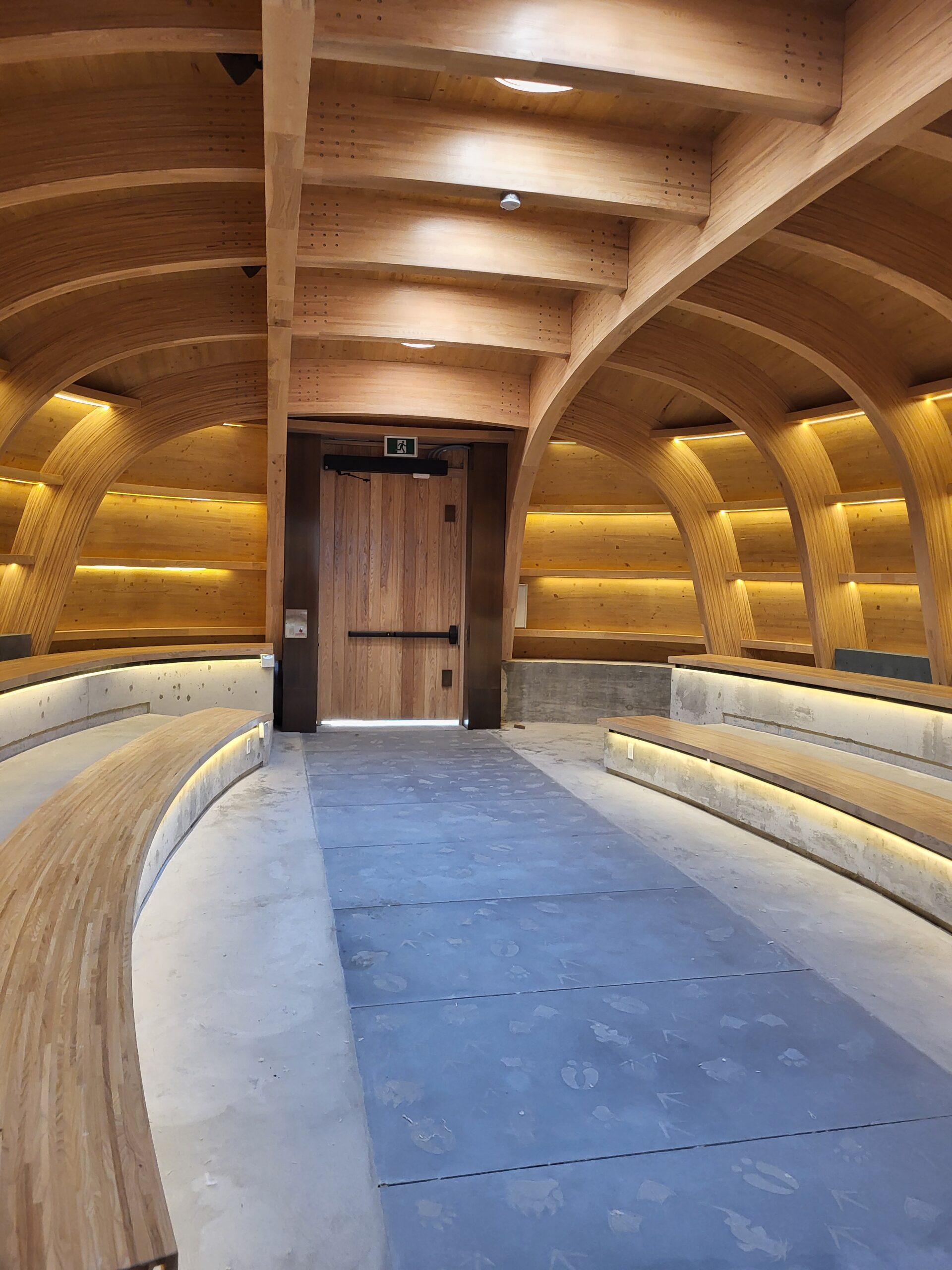
Our scope also included a full technical audit and inventory report to document all infrastructure and equipment impacted by the project; power supply for new landscape and other LED lighting fixtures; connection of new area drainage to existing storm systems in the parking level; mechanical and electrical services for the new 450 ft2 Teaching Lodge; and design of security systems for public spaces and the Teaching Lodge.
The exposed wood structure of the Teaching Lodge required exceptionally close coordination between the structural consultant and our mechanical and electrical teams, as service penetrations could not be modified after fabrication. The Teaching Lodge uses pre-formed laminated ash glulam timber and laminated spruce sheathing, both sustainably sourced, to create a resilient and expressive structure.
HH Angus also developed and prepared a commissioning plan for all mechanical and electrical equipment being installed during the project.
One of the interesting challenges of this project was working with multiple interested parties to ensure the collaborative vision of all rights holders for the project was achieved.
The Spirit Garden was delivered through sustained and respectful collaboration with Indigenous communities, ensuring that cultural heritage, traditional knowledge, and lived experience were central to the project’s design and execution. Indigenous Elders, Knowledge Keepers, artists, and community representatives were engaged by the City of Toronto and the design team throughout the planning and design process to guide the project’s cultural vision, symbolism, and spatial organization.
SERVICES
Mechanical Engineering | Electrical Engineering | IMIT design | Security Design | Commissioning
PROJECT FEATURES
Heritage site | Teaching lodge | New landscaping | Surface and parking improvements | Upgraded existing exterior infrastructure
LOCATION
Toronto, Ontario
KEY SCOPE ELEMENTS
Technical audit | Inventory Report | Power supply | Connection to drainage area in underground parking level | M&E services for new teaching lodge | Security systems design