
Service: Information and Communications Technology
Queen's University
Biomedical Research Facility
HH Angus was engaged to upgrade the Queen's University Biomedical Research Facility (BRF). We have been providing consulting engineering to Queen's for well over two decade and, over that time, have developed an intimate knowledge of the systems infrastructure throughout the campus.
The BRF project involved a three-phase renovation, upgrade, and fitout of an existing 39,000 ft2 research facility. The aging facility needed additional space for increased research initiatives and a complete upgrade of its lighting, HVAC, and processing systems.
Facility components included systems for biosafety labs, autoclaves, glass washers, new cage washers, procedure rooms, and telemetry rooms across two floor plates. Phase 1 included relocation of a 15,000 ft2 rodent facility within an existing science building. Phases 2 and 3 included a full upgrade and renovation of the 24,000 ft2 vivarium.
HH Angus was involved with the project since its inception in 2009. The approval process lasted over seven years to secure funding, plan for the migration of the labs, and achieve user group consensus on the facility redesign.
The project included some interesting challenges associated with the upgrades:
Operational Continuity: The facility operates 24/7. New space had to be developed and commissioned before decommissioning old spaces. Our team performed detailed planning and site reviews to ensure there would be no disruptions to ongoing research or adjacent HVAC systems.
Aged Infrastructure: The older building lacked up-to-date ‘as-built’ drawings. To mitigate this, we used Revit for BIM modeling and interference drawings to prevent clashes during construction.
Spatial Constraints: Floor-to-ceiling heights were approximately 11 to 13 feet, which is significantly below the modern laboratory standard of 15 feet. We solved this by moving services out of the ceiling space into more spacious areas such as the penthouse, roof, and lower floors.
Infrastructure Renewal: The team designed the complete replacement of all air handling and exhaust systems in the active building. Through creative design, we achieved N+1 redundancy in the air handling systems at the same cost as a standard like-for-like replacement.
SERVICES
Mechanical Engineering | Electrical Engineering | Lighting Design | Security & Communications Design | Vertical Transportation Consulting
PROJECT FEATURES
Phased renovation, upgrade and fitout of existing facility | 24/7 operations | 39,000 ft2 facility over two floors | Completed 2020
LOCATION
Kingston, Ontario
KEY SCOPE ELEMENTS
Enable 24/7 operations to continue during entire phased renovation | Design, build and commission new laboratory space before decommissioning outdated laboratory | Solve spatial challenges in new lab site due to low ceiling height | Replace all air handling units
Schroeder Ambulatory Centre
Healthcare Facility
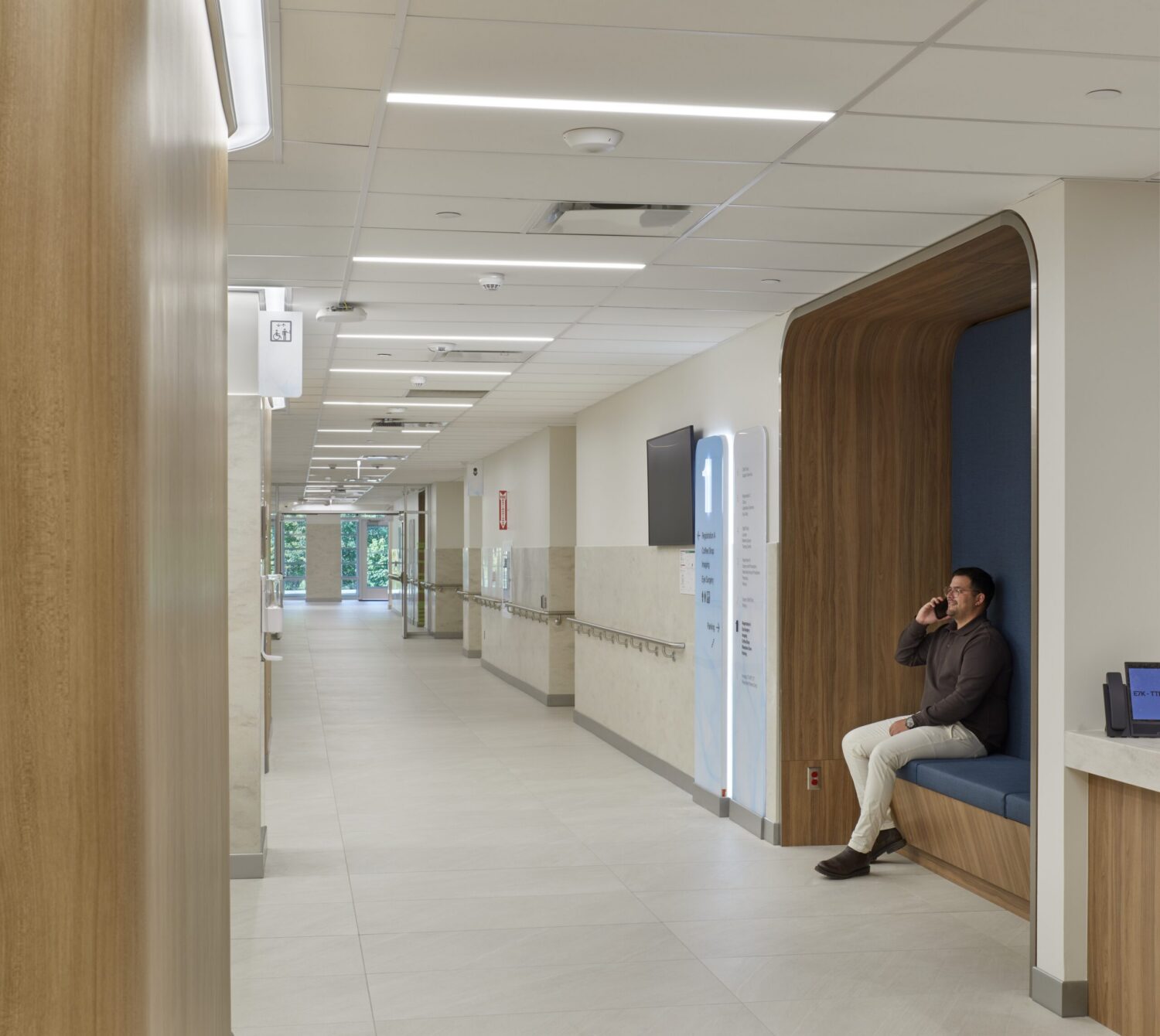
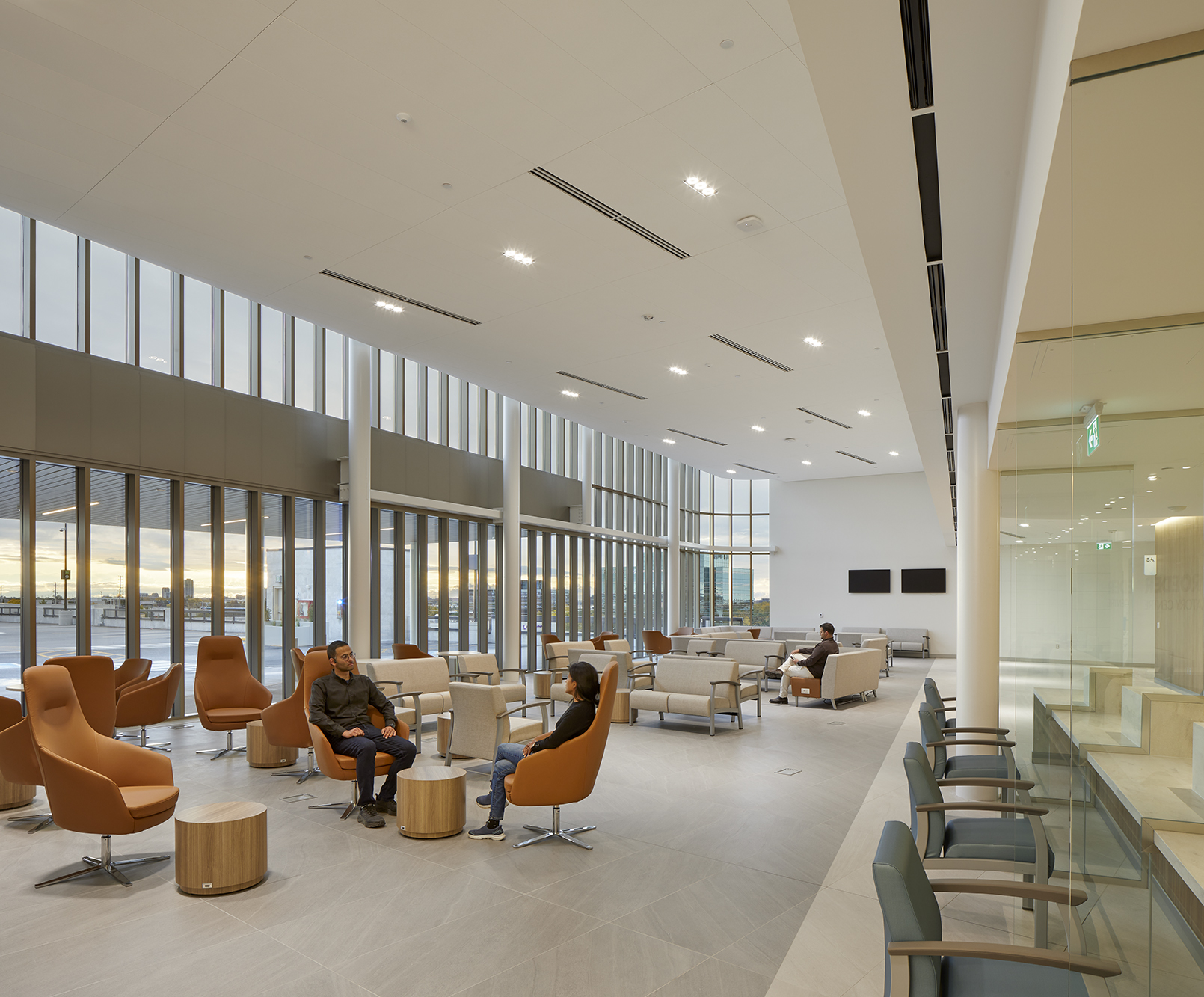
The Schroeder Ambulatory Centre is a transformative healthcare facility in Richmond Hill that has been developed to help address growing demand for outpatient surgeries, diagnostic imaging, and other ambulatory care services across Ontario.
As one of the largest non-profit multidisciplinary ambulatory care centres in Canada, the facility was created to improve access to publicly funded healthcare, reduce wait times, and relieve pressure on hospitals by shifting high-volume, lower-complexity procedures into a purpose-designed community setting.
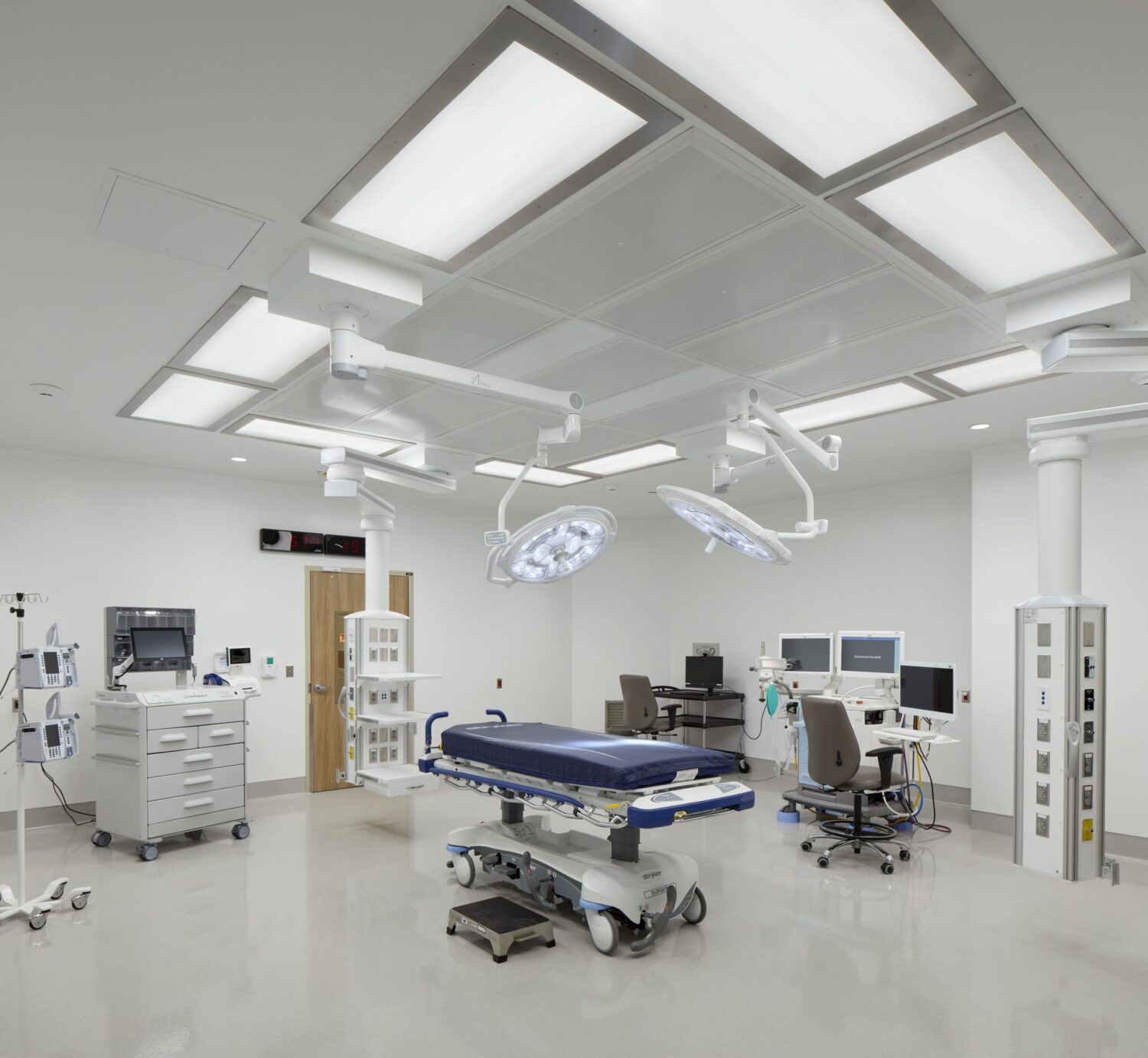
The project involved the adaptive reuse and redevelopment of an existing 200,000 ft2 medical office building into a modern healthcare environment focused on efficiency, patient experience, and clinical excellence, including base building upgrades to HVAC and power systems to meet CSA Standards and the fitout of 8 operating rooms, 5 procedure rooms, and associated support spaces. HH Angus provided comprehensive mechanical and electrical engineering, as well as communications and security consulting services, throughout the design and construction phases of the project.
Mechanical Scope
Our mechanical consulting services included a comprehensive review and coordination of all building systems. We assessed existing installations through 3D scanning, verified load calculations, equipment sizing, and code compliance. The scope included retrofitting existing systems and infrastructure to suit healthcare standards as well as adding new ventilation, steam and heating systems.
Electrical Scope
The electrical scope involved a thorough evaluation of existing electrical systems, ensuring compliance with design standards and regulatory codes. We prepared tender packages using existing documentation and Revit models. During construction, our team reviewed electrical submissions, attended site meetings, and interpreted contract documents as needed. We oversaw progress inspections, managed change notices, and supported commissioning coordination.
Award-winning* Lighting Design
The human-centric lighting design encompasses all types of spaces, including parking garage and site lighting, canopy illumination, transitional spaces, back-of-house support areas, and task-specific medical environments. The lighting strategy balances visual comfort with clinical performance, carefully calibrating luminaires to provide appropriate illuminance for procedures, circulation, and patient care.
*The project was honoured with a 2026 IES Toronto Section Award lighting design.
By combining technical performance with thoughtful, patient-centered design, the Schroeder Ambulatory Centre establishes a benchmark for outpatient healthcare facilities, delivering an environment that is safe, accessible, and adaptable to the evolving needs of the community.
SERVICES
Mechanical Engineering | Electrical Engineering | Lighting Design | Communications, Audio-visual and Security Consulting
PROJECT FEATURES
Size: 200,000 ft2 | One of Canada's largest non-profit, ambulatory care centres | Base building upgrades | | 8 ORs, 5 procedure rooms, support spaces | Completed 2025
LOCATION
Richmond Hill, Ontario
KEY SCOPE ELEMENTS
Adaptive re-use and redevelopment of existing 200,000 ft2 medical building
Ontario Power Generation
Oshawa Headquarters
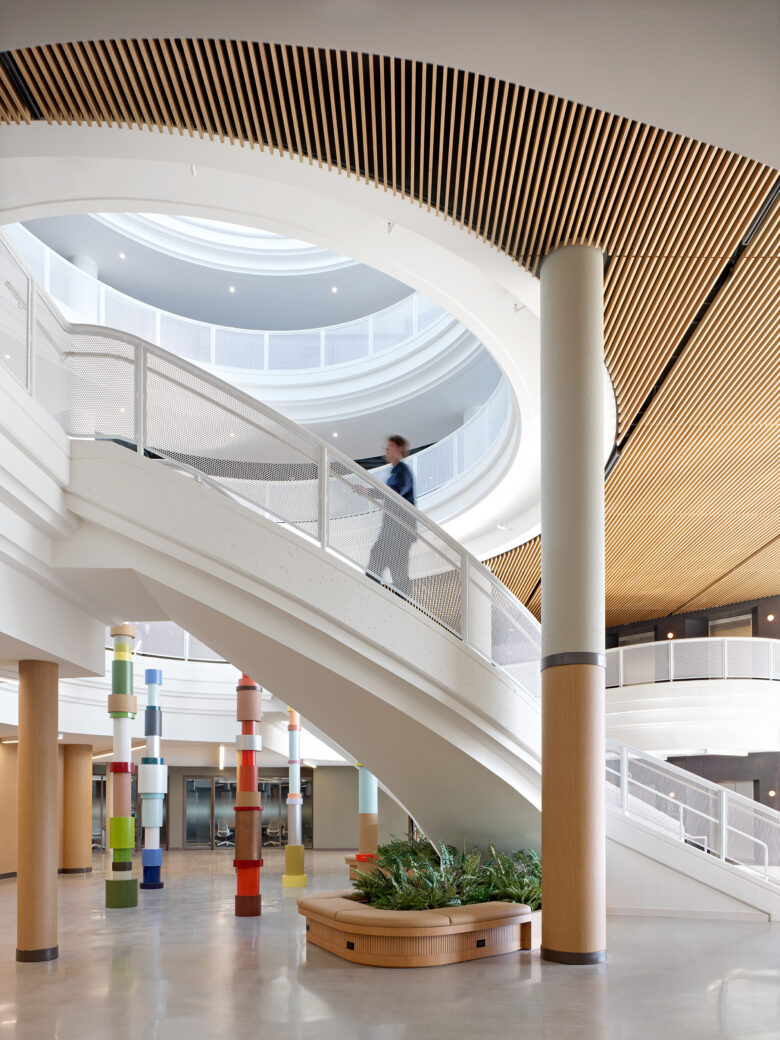
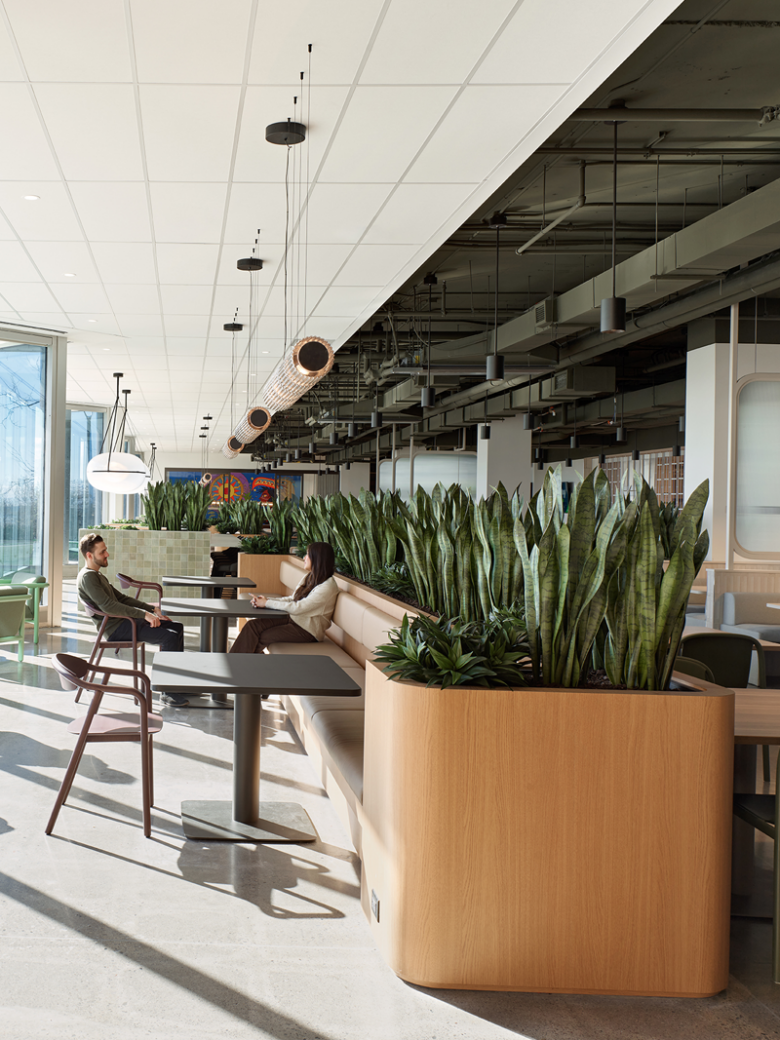
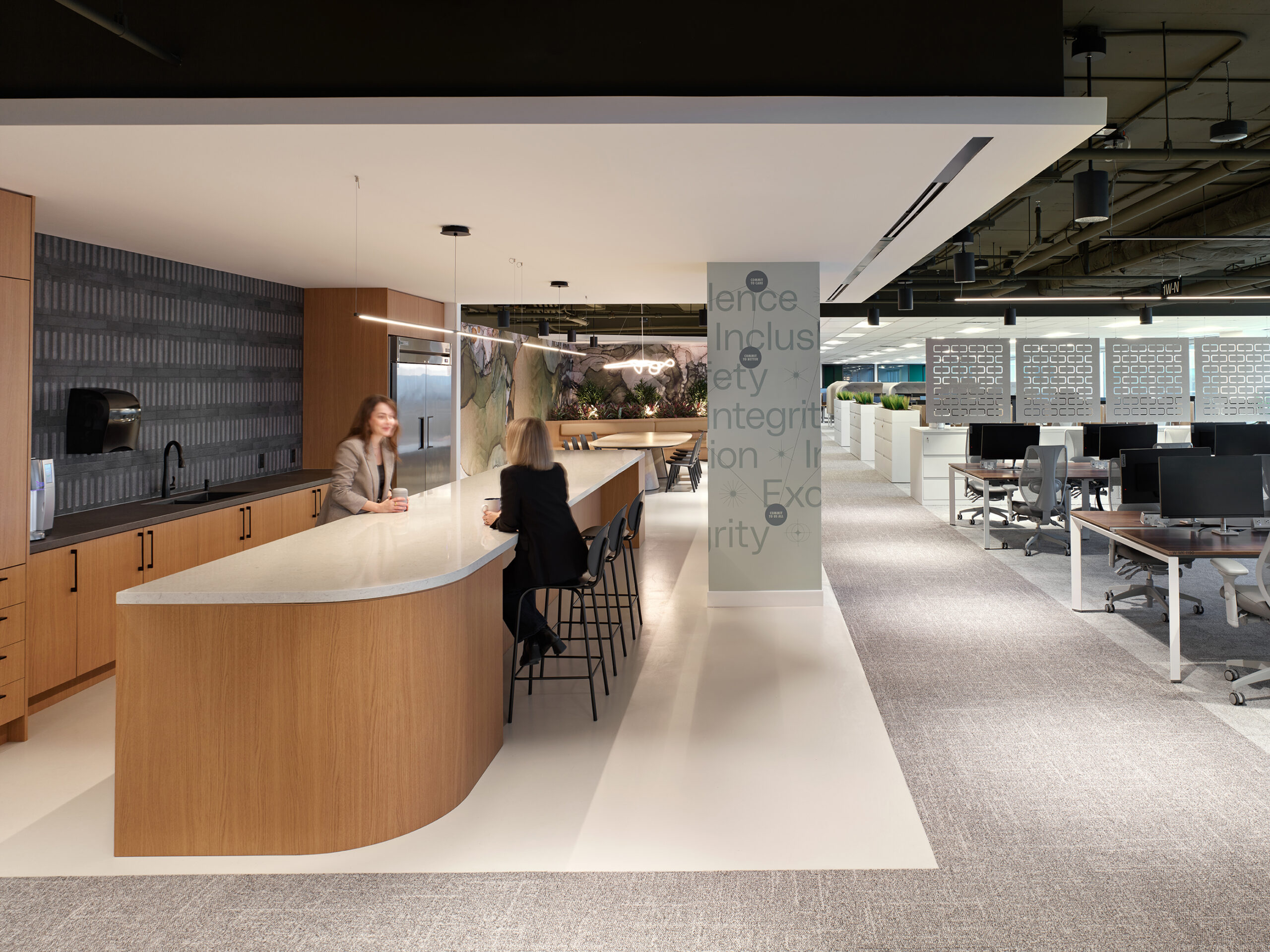
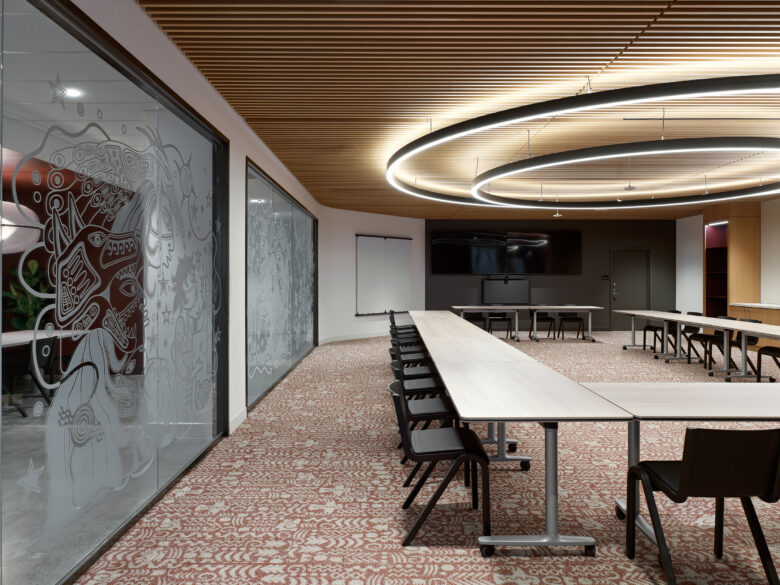
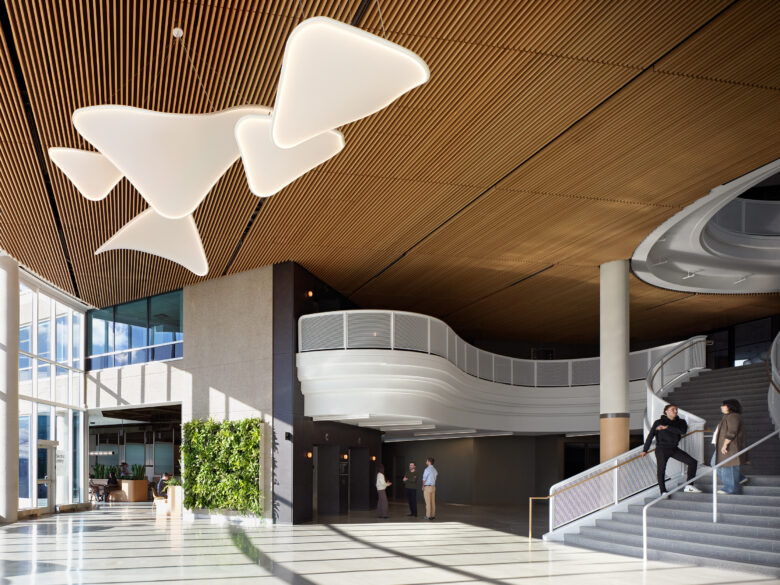
OPG set out to unite its various corporate offices into a single, modern facility that embodies collaboration, efficiency, and long-term sustainability. Repurposing the former GM headquarters brought new life to an iconic site. The project was recognized with a 2026 Award of Distinction from the Association of Consulting Engineering Companies - Ontario Chapter, an IES Toronto Section Award of Merit for excellence in lighting design, and a Canadian Interiors 'Best of Canada' Award.
OPG selected Oshawa as its new corporate headquarters, purchasing and redeveloping a well-known building - the former General Motors (GM) administration building — a 285,000 ft2 facility with five levels (four storeys plus a lower concourse).
The project brought together OPG’s non-station staff from across the Greater Toronto area and Durham Region under one roof, transforming the existing structure through extensive interior and exterior renovations. Upgrades encompassed all major building systems, focusing on enhancing performance, comfort, and environmental responsibility.
HH Angus and Associates played a pivotal role as mechanical and electrical engineers, IMIT and lighting consultants, owner’s engineer, plumbing/fire protection/life safety designer, and commissioning authority.
The overarching goal was to create a future-ready workplace capable of supporting OPG’s operational and cultural needs for the next 40 years — targeting a net-zero carbon footprint and integrating leading sustainable design strategies throughout.
Meeting the objectives
HH Angus’ design solution had high sustainability and energy aspirations and involved the adaptive re-use and re-development of the GM administration building in Oshawa. HH Angus’ Commercial and Angus Connect teams came together for this project.
The project team successfully navigated a series of challenges that tested both creativity and collaboration, ultimately demonstrating their ability to deliver excellence under demanding conditions.
Materials and equipment
The unique use of materials was in fact the ‘re-use of materials’, significantly reducing deconstruction waste and embodied carbon. Much of the existing HVAC equipment was optimized (e.g., terminal heating and cooling devices) to enhance performance and capacity, rather than replacing the distribution network.
Internal resources, experience and expertise
To meet the demands of the accelerated schedule, the project team of mobilized a robust internal team, drawing on resources from across the firm. This collaborative effort, made possible by the firm’s size and depth of expertise, allowed us to maintain quality and precision while delivering on time.
Apart from strategic reuse of existing infrastructure, to accommodate increased occupancy, the design team included the use of energy recovery and thermal storage to allow system capacities to be sized below the peak demands to get the most out of the cost and embodied carbon of the equipment provided.
Outcome
Through ingenuity, collaboration, and technical excellence, the team successfully overcame these challenges—delivering a high-performance, cost-effective design that met the client’s objectives and ambitious goals, and reinforced their trust in the team’s ability to deliver innovative solutions under pressure.
SERVICES
Mechanical Engineering | Electrical Engineering | IMIT Design | Lighting Design | Owner's Engineer | Plumbing Design | Fire Protection | Life Safety Design | Commissioning Authority
PROJECT FEATURES
Size: 285,000 ft2, 5 levels (four storeys plus lower concourse) | Completed 2025 | Recipient of a 2026 ACEC/OEPA Award of Distinction for engineering excellence | Recipient of a 2026 IES Toronto Section Award of Merit for excellence in lighting design | Canadian Interiors 'Best of Canada' award
LOCATION
Oshawa, Ontario
KEY SCOPE ELEMENTS
Interior and exterior base building renovation | Condensed design schedule | Mandatory sustainability requirements | Repurposing of original HVAC equipment | Heat pump technology | Air-to-air energy recovery | All new DALI Lighting Control System
Collaborative process
An interesting challenge was meeting the fixed project budget while delivering design integrity. To address this, the team dedicated many hours to an intensely collaborative process—partnering closely with manufacturers, vendors, and contractors to identify cost-effective solutions that preserved the client’s vision and design intent. Through innovative thinking, open communication, and strategic value engineering, the project was successfully delivered within budget while maintaining both functionality and aesthetic integrity.
Repurposing building systems
A further challenge emerged with the new interior layout, pushing existing building systems beyond their designed capacity. Rather than opting for a costly and disruptive full replacement of the distribution ductwork, the design team developed a strategic, resourceful solution. By introducing terminal heating and cooling devices to supplement the existing infrastructure, the required system performance was achieved efficiently and sustainably.
CN Tower
Lower Observation Level
The CN Tower's Lower Observation Level was completed and unveiled in January 2026, as part
of the attraction's 50th anniversary celebrations.
The refurbished area comprises 10,600 square feet, including both indoor and outdoor viewing areas, a
glass floor, stairwells, washrooms, and the SkyPod elevator lobby. The project won an IES Toronto Section Award for Excellence in Lighting.
The project was designed to seamlessly extend the recently renovated Main Observation Level 3 aesthetic down to Outdoor Observation Level 2, creating a cohesive and elevated visitor experience.
This renovation marked the first major upgrade to Level 2 since the Tower opened in 1976. HH Angus provided comprehensive mechanical, electrical, lighting, and communications engineering services as part of the transformation.
The project has been shortlisted for the World Architecture Festival awards, in the 2026 'Interiors, Public Buildings' category.
Mechanical
Scope included the complete refurbishment of existing washrooms, the addition of a new fully accessible washroom, and modifications to the HVAC systems to accommodate the new slatted ceiling design and updated spatial configuration.
Electrical
Work included upgrades to electrical distribution systems and coordination of power requirements for sophisticated new audiovisual installations. LED linear lighting was integrated along the perimeter core walls, and major infrastructure upgrades were implemented to accommodate a future perimeter heated glass system.
Lighting
A new lighting design was developed throughout the space, including exterior colour-changing LED ceiling lighting at the Outdoor Observation Level. Perimeter lighting creates the Tower’s signature exterior glow, enhancing its nighttime presence. Emergency lighting systems were also upgraded as part of the project. The lighting design was recognized with an IES Toronto Section Award.
Communications
The project included new horizontal cabling infrastructure to support enhanced IT, AV, and security systems. Security enhancements included the deployment of new fixed and PTZ cameras to improve interior and exterior monitoring and support life safety objectives. New fibre optic cabling was installed, along with perimeter Color Kinetics lighting controls that contribute to the Tower’s distinctive exterior illumination.
SERVICES
Mechanical Engineering | Electrical Engineering | LIghting Design | Communications Design
PROJECT FEATURES
Size: 10,600 ft2 | Status: Completed January 2026 as part of the Tower's 50th Anniversary celebrations
LOCATION
Toronto, Ontario
KEY SCOPE ELEMENTS
Refurbishment of client amenities, HVAC, spatial configuration, electrical distribution system including future capacity for heated glass, new cabling infrastructure to support IT, AV, security, new lighting design throughout, perimeter lighting; exterior illumination

The visitor experience
The renovation creates a cohesive and elevated space, enhancing the new visitor activity options.


Interior Health
BC Cancer Centre
The new BC Cancer Centre is described as the single largest capital investment into the expansion of cancer care in the Kamloops region.
Interior Health, in partnership with BC Cancer, is building a new cancer centre at the Westlands site of the Royal Inland Hospital in Kamloops, BC. The new facility includes design and construction of a 5-storey outpatient radiation oncology clinic. Featuring three linear accelerators for radiation therapy, a CT simulator, a diagnostic MRI, ambulatory care space, a 470-stall parkade and an interfaith sacred space for patients and families, the new Cancer Centre will respond to increased demand for cancer services on the main campus, and facilitate 16,500 treatments annually while significantly reducing long-distance travel for many patients.
HH Angus is providing mechanical and electrical engineering, ICAT design and vertical transportation consulting services for this project which is led by EllisDon Corporation.
The Kamloops Cancer Centre is scheduled for completion in 2028.

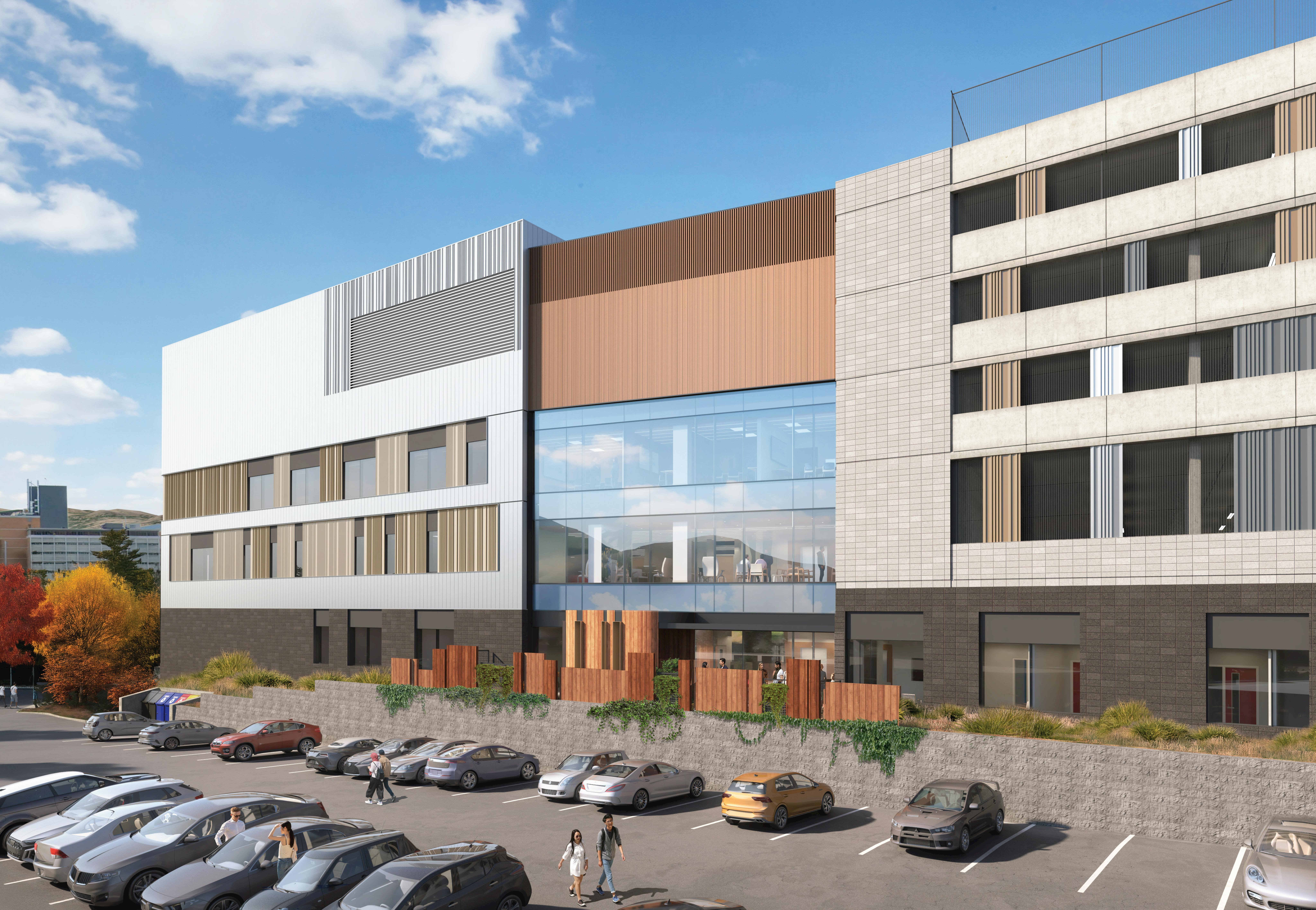
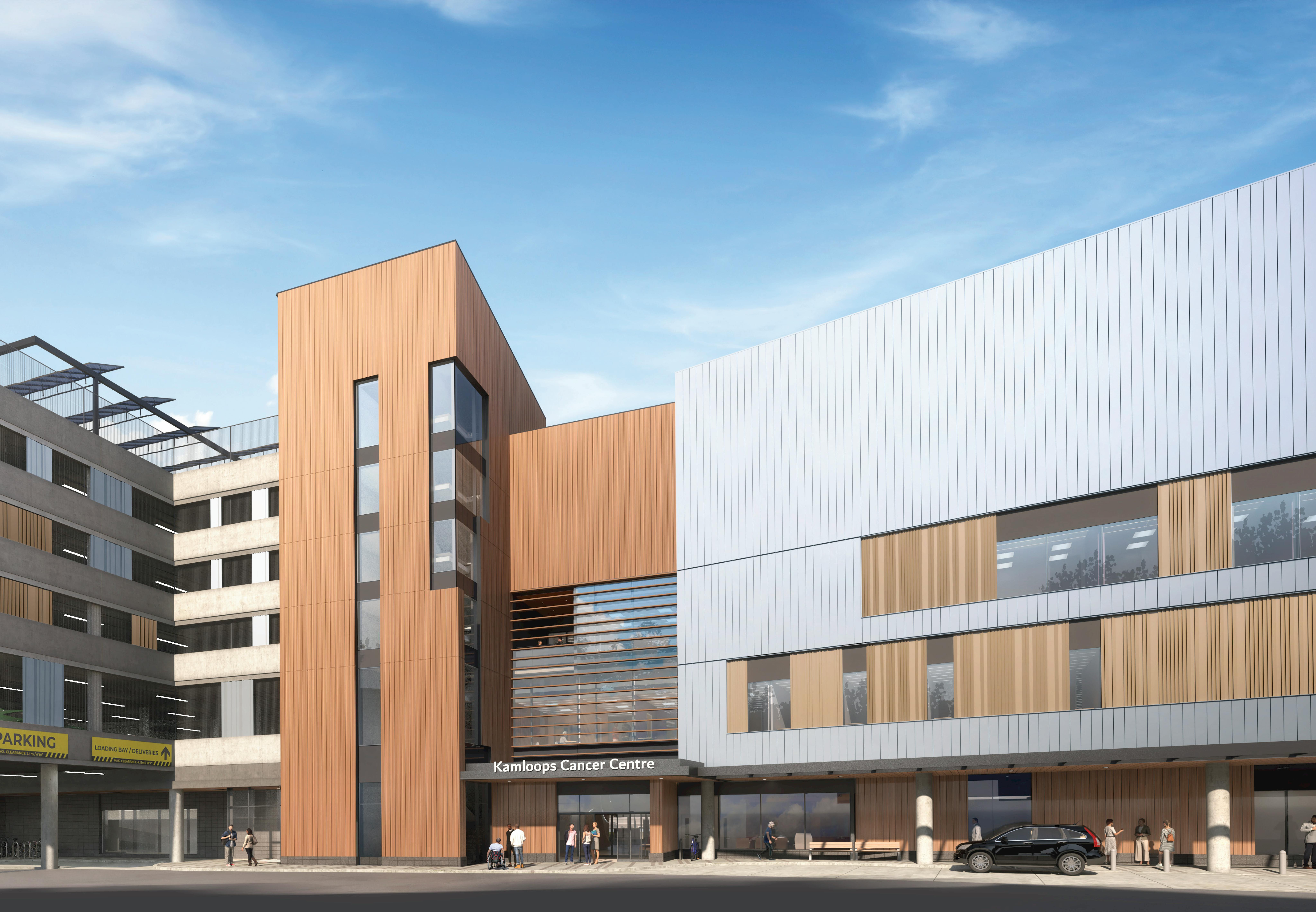
Image Credit - Interior Health
SERVICES
Mechanical Engineering | Electrical Engineering | ICAT/IMIT Design | Vertical Transportation Consulting
PROJECT FEATURES
5-storey outpatient radiation oncology clinic | Design-Build delivery model | 470-stall parkade | Interfaith sacred space | Completion 2028
LOCATION
Kamloops, British Columbia