Service: Security Design
Queen's University
Biomedical Research Facility
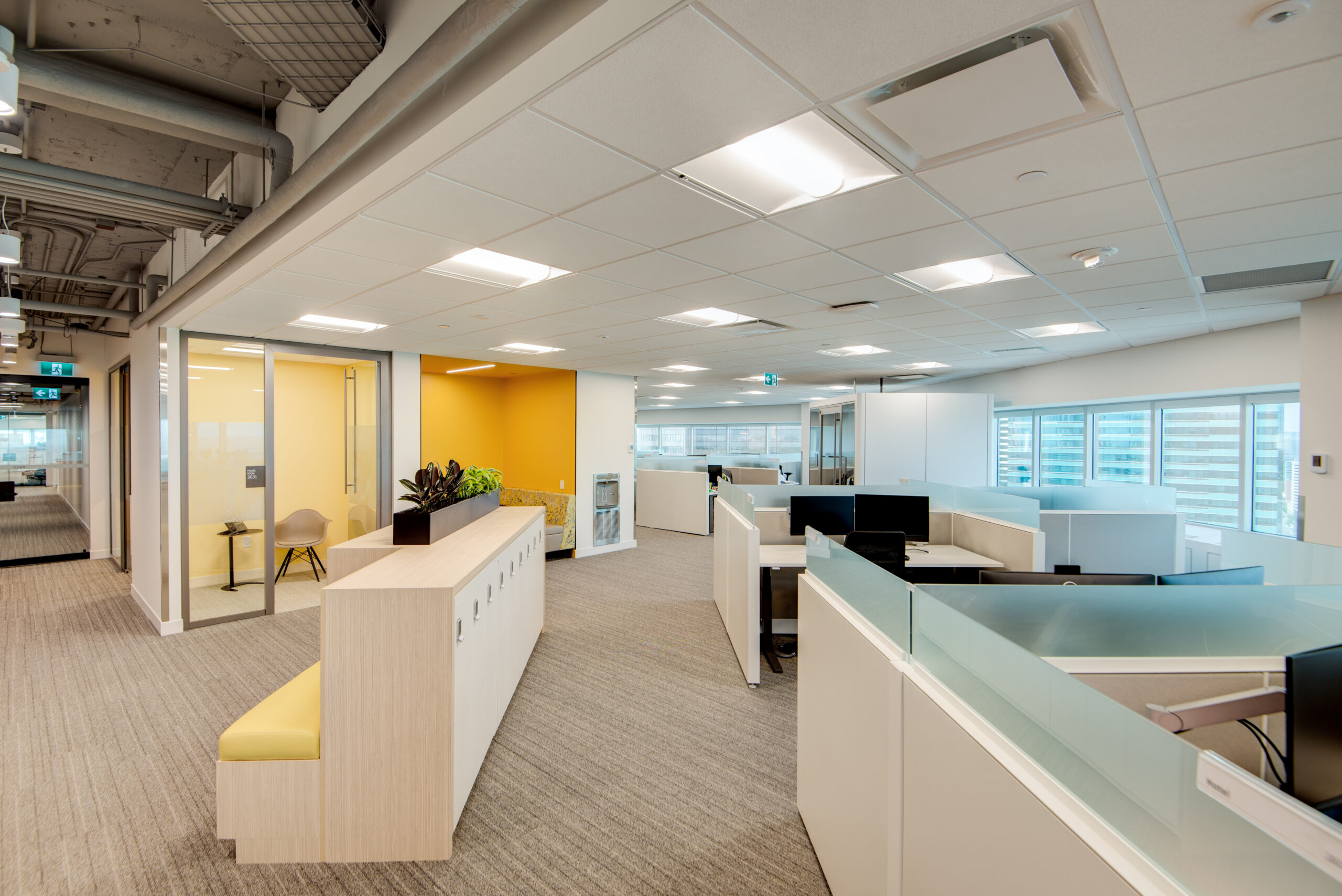
HH Angus was engaged to upgrade the Queen's University Biomedical Research Facility (BRF). We have been providing consulting engineering to Queen's for well over two decade and, over that time, have developed an intimate knowledge of the systems infrastructure throughout the campus.
The BRF project involved a three-phase renovation, upgrade, and fitout of an existing 39,000 ft2 research facility. The aging facility needed additional space for increased research initiatives and a complete upgrade of its lighting, HVAC, and processing systems.
Facility components included systems for biosafety labs, autoclaves, glass washers, new cage washers, procedure rooms, and telemetry rooms across two floor plates. Phase 1 included relocation of a 15,000 ft2 rodent facility within an existing science building. Phases 2 and 3 included a full upgrade and renovation of the 24,000 ft2 vivarium.
HH Angus was involved with the project since its inception in 2009. The approval process lasted over seven years to secure funding, plan for the migration of the labs, and achieve user group consensus on the facility redesign.
The project included some interesting challenges associated with the upgrades:
Operational Continuity: The facility operates 24/7. New space had to be developed and commissioned before decommissioning old spaces. Our team performed detailed planning and site reviews to ensure there would be no disruptions to ongoing research or adjacent HVAC systems.
Aged Infrastructure: The older building lacked up-to-date ‘as-built’ drawings. To mitigate this, we used Revit for BIM modeling and interference drawings to prevent clashes during construction.
Spatial Constraints: Floor-to-ceiling heights were approximately 11 to 13 feet, which is significantly below the modern laboratory standard of 15 feet. We solved this by moving services out of the ceiling space into more spacious areas such as the penthouse, roof, and lower floors.
Infrastructure Renewal: The team designed the complete replacement of all air handling and exhaust systems in the active building. Through creative design, we achieved N+1 redundancy in the air handling systems at the same cost as a standard like-for-like replacement.
SERVICES
Mechanical Engineering | Electrical Engineering | Lighting Design | Security & Communications Design | Vertical Transportation Consulting
PROJECT FEATURES
Phased renovation, upgrade and fitout of existing facility | 24/7 operations | 39,000 ft2 facility over two floors | Completed 2020
LOCATION
Kingston, Ontario
KEY SCOPE ELEMENTS
Enable 24/7 operations to continue during entire phased renovation | Design, build and commission new laboratory space before decommissioning outdated laboratory | Solve spatial challenges in new lab site due to low ceiling height | Replace all air handling units
Schroeder Ambulatory Centre
Healthcare Facility
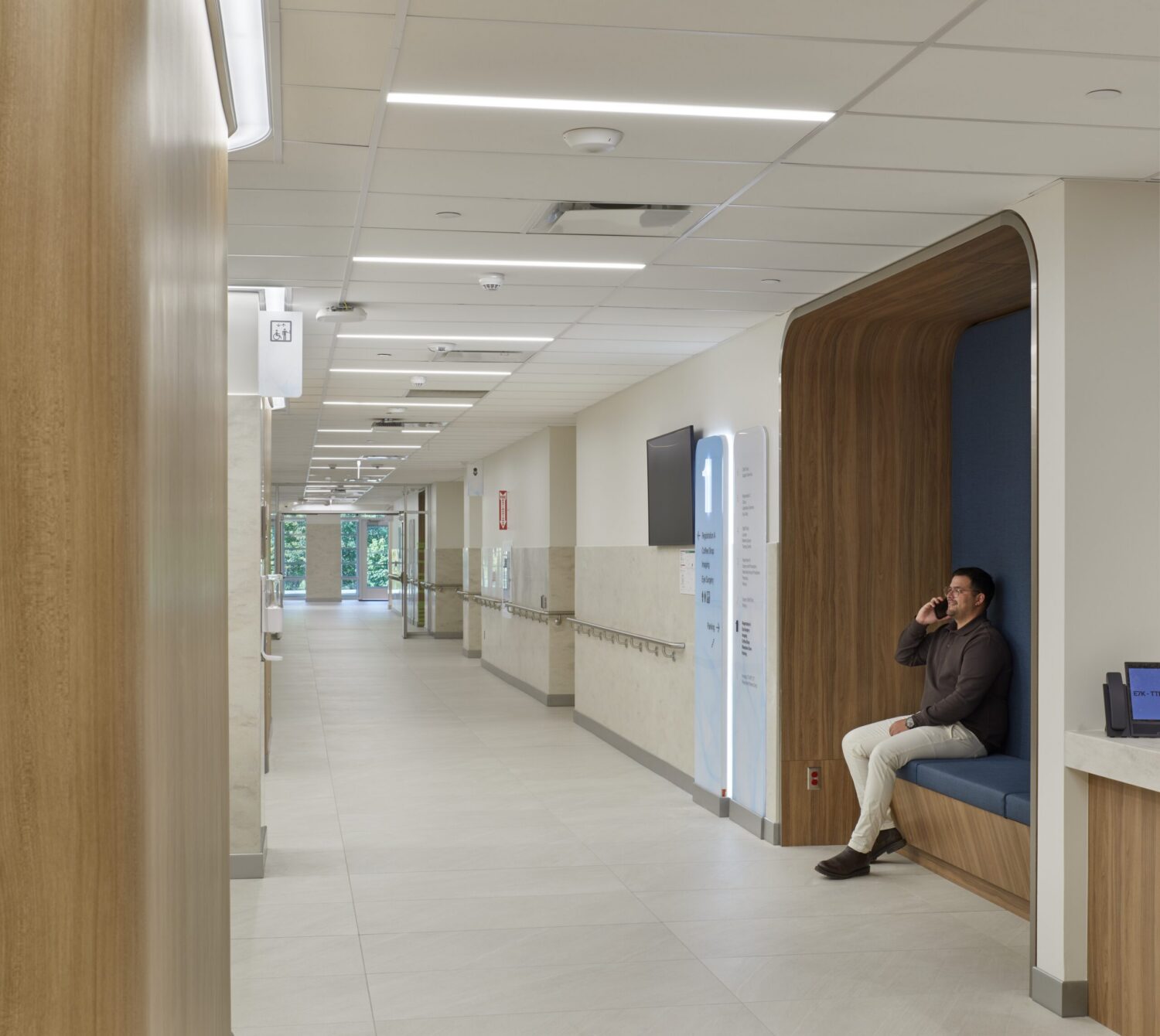
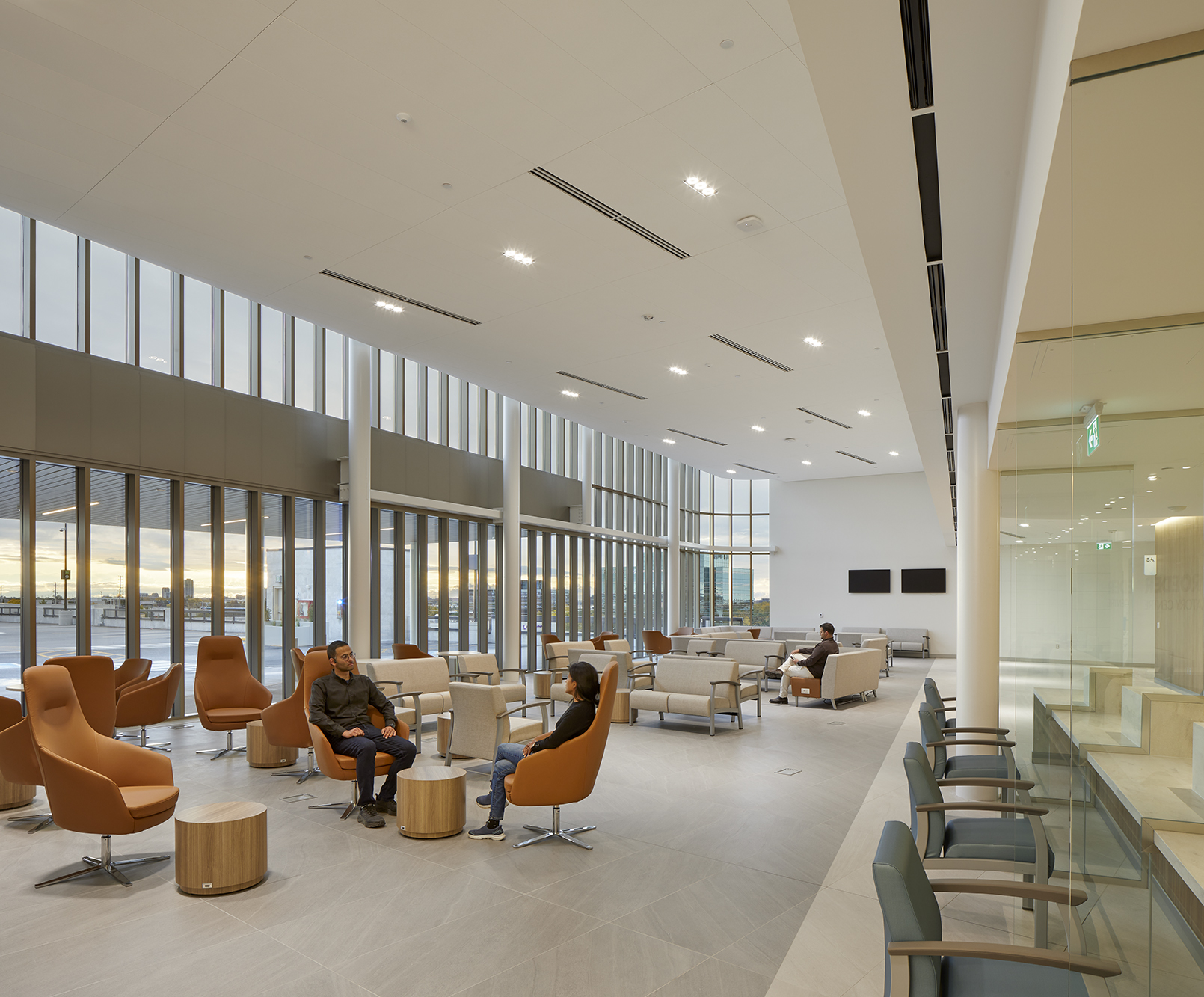
The Schroeder Ambulatory Centre is a transformative healthcare facility in Richmond Hill that has been developed to help address growing demand for outpatient surgeries, diagnostic imaging, and other ambulatory care services across Ontario.
As one of the largest non-profit multidisciplinary ambulatory care centres in Canada, the facility was created to improve access to publicly funded healthcare, reduce wait times, and relieve pressure on hospitals by shifting high-volume, lower-complexity procedures into a purpose-designed community setting.
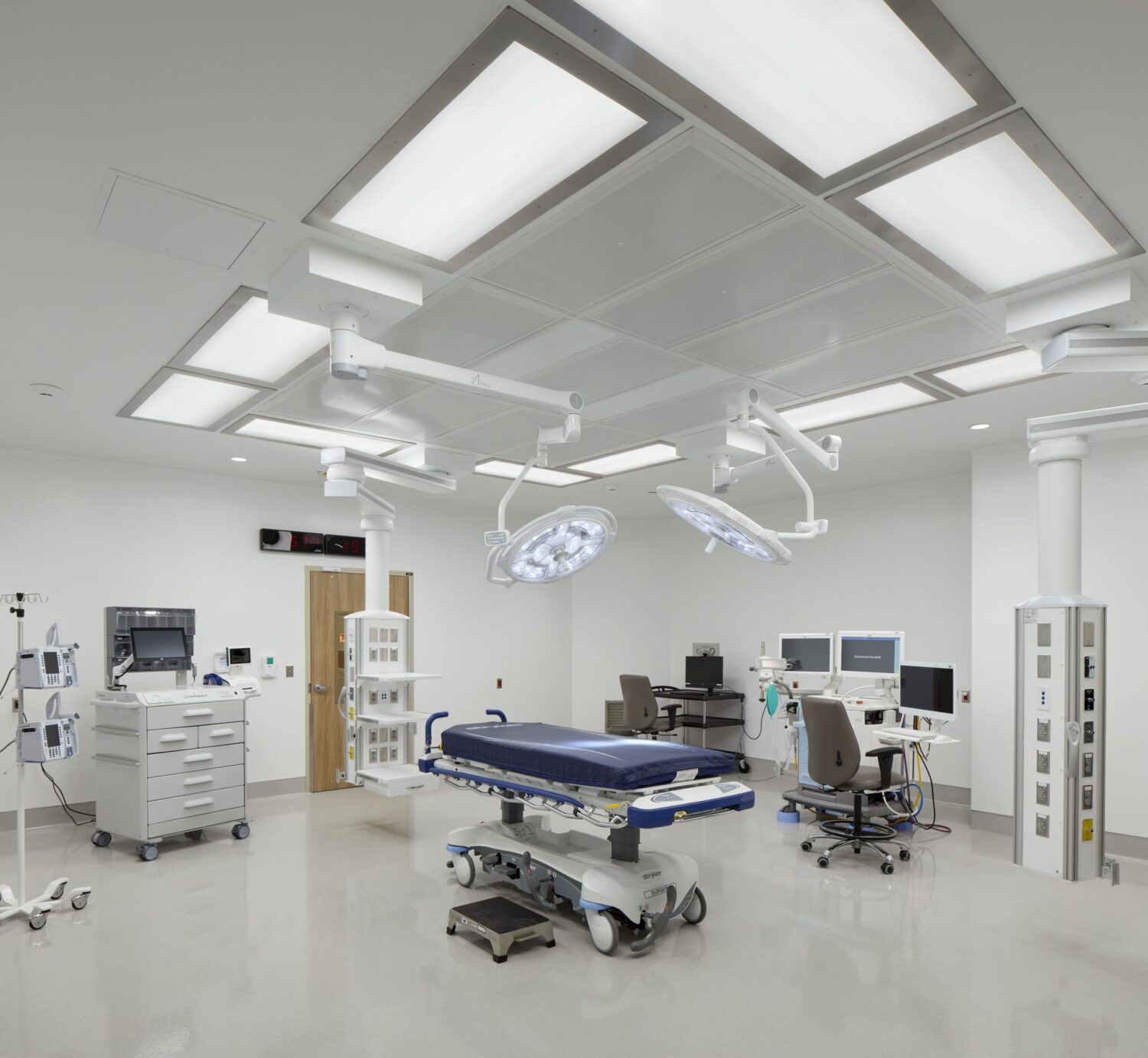
The project involved the adaptive reuse and redevelopment of an existing 200,000 ft2 medical office building into a modern healthcare environment focused on efficiency, patient experience, and clinical excellence, including base building upgrades to HVAC and power systems to meet CSA Standards and the fitout of 8 operating rooms, 5 procedure rooms, and associated support spaces. HH Angus provided comprehensive mechanical and electrical engineering, as well as communications and security consulting services, throughout the design and construction phases of the project.
Mechanical Scope
Our mechanical consulting services included a comprehensive review and coordination of all building systems. We assessed existing installations through 3D scanning, verified load calculations, equipment sizing, and code compliance. The scope included retrofitting existing systems and infrastructure to suit healthcare standards as well as adding new ventilation, steam and heating systems.
Electrical Scope
The electrical scope involved a thorough evaluation of existing electrical systems, ensuring compliance with design standards and regulatory codes. We prepared tender packages using existing documentation and Revit models. During construction, our team reviewed electrical submissions, attended site meetings, and interpreted contract documents as needed. We oversaw progress inspections, managed change notices, and supported commissioning coordination.
Award-winning* Lighting Design
The human-centric lighting design encompasses all types of spaces, including parking garage and site lighting, canopy illumination, transitional spaces, back-of-house support areas, and task-specific medical environments. The lighting strategy balances visual comfort with clinical performance, carefully calibrating luminaires to provide appropriate illuminance for procedures, circulation, and patient care.
*The project was honoured with a 2026 IES Toronto Section Award lighting design.
By combining technical performance with thoughtful, patient-centered design, the Schroeder Ambulatory Centre establishes a benchmark for outpatient healthcare facilities, delivering an environment that is safe, accessible, and adaptable to the evolving needs of the community.
SERVICES
Mechanical Engineering | Electrical Engineering | Lighting Design | Communications, Audio-visual and Security Consulting
PROJECT FEATURES
Size: 200,000 ft2 | One of Canada's largest non-profit, ambulatory care centres | Base building upgrades | | 8 ORs, 5 procedure rooms, support spaces | Completed 2025
LOCATION
Richmond Hill, Ontario
KEY SCOPE ELEMENTS
Adaptive re-use and redevelopment of existing 200,000 ft2 medical building
Quinte Health
Prince Edward County Memorial Hospital Redevelopment
The new Prince Edward County Memorial Hospital (PECMH) will be a leading-edge healthcare facility designed to met the current and future capacity needs of its local communities.
HH Angus was engaged by Quinte Health to provide the new hospital with mechanical and electrical engineering services, lighting, audio-visual, and security systems design, as well as energy modeling and ICAT digital strategy.
The project includes the construction of a new hospital with improved equipment and facilities, including a 24-hour emergency department, acute inpatient unit, helipad, surgical suite, diagnostic imaging, laboratory, dialysis unit, and other specializations.
Significantly, the PECMH will be the first acute care hospital in North America with an all-mass timber structure. Unencapsulated mass timber is faster and more accurate in construction compared to steel and concrete and sequesters carbon better than any other structural material.
Use of mass timber is estimated to be saving the project over 9 million kilograms of embodied carbon dioxide compared to a conventional steel and concrete structure. Other sustainable aspects of the new building include energy-efficient windows, selection of sustainable materials and use of natural light in the building’s atrium.
Our systems design included a hybrid plant comprising a geo-exchange heat pump, gas-fired heating, domestic hot water generation and humidification elements. A six pipe, 200-ton geo-exchange heat pump has been designed to allow simultaneous heating and cooling to maximize efficiency performance. The geothermal system is expected to provide 50 percent of the hospital’s cooling and 90 percent of its heating. The new building will feature a solar panel installation on the roof, which will lower electricity operating costs and avoid the use of 2,000 tons of carbon during the panels’ lifespan.
Engineering for a mass timber building requires a substantial amount of coordination early in the design phase to identify service openings, since, unlike drywall, wood openings cannot be adjusted once cut. The design also provides less ceiling space, so all services located there must be closely coordinated with architectural and construction partners. The same applies to the geofield. Mass timber buildings are very lightweight compared to traditional concrete structures, and their technical requirements differ significantly.
Our ICAT team assisted in the development of a Digital Strategy to support the project. This included a current state assessment, visioning, implementation roadmap creation, and budget cost estimate. The ICAT scope of work also included systems integration design involving development of a comprehensive integration use case list through user engagement sessions, as well as developing the construction documents, consisting of an integration matrix, integration concept model / diagram, and integration specification.
The project was featured in Canadian Architect Magazine in April 2025, and in a 1-minute YouTube video.
Image courtesy of Quinte Health
SERVICES
Mechanical Engineering | Electrical Engineering |Lighting Design | Audio-visual Design | Security Systems Design | Energy Modeling | ICAT Digital Strategy
PROJECT FEATURES
Design-Bid-Build (DBB) procurement model | 24/7 Emergency Department | 23 Inpatient beds | Satellite hemodialysis unit | Diagnostic imaging unit | Helipad | Completion 2027
LOCATION
Picton, Ontario
KEY SCOPE ELEMENTS
Replacement of existing facility | Enhanced clinical capabilities | Geothermal energy exchange, building integrated photovoltaics | Preparation of building for future electrification and net-zero carbon status
CN Tower
Lower Observation Level
The CN Tower's Lower Observation Level was completed and unveiled in January 2026, as part
of the attraction's 50th anniversary celebrations.
The refurbished area comprises 10,600 square feet, including both indoor and outdoor viewing areas, a
glass floor, stairwells, washrooms, and the SkyPod elevator lobby. The project won an IES Toronto Section Award for Excellence in Lighting.
The project was designed to seamlessly extend the recently renovated Main Observation Level 3 aesthetic down to Outdoor Observation Level 2, creating a cohesive and elevated visitor experience.
This renovation marked the first major upgrade to Level 2 since the Tower opened in 1976. HH Angus provided comprehensive mechanical, electrical, lighting, and communications engineering services as part of the transformation.
The project has been shortlisted for the World Architecture Festival awards, in the 2026 'Interiors, Public Buildings' category.
Mechanical
Scope included the complete refurbishment of existing washrooms, the addition of a new fully accessible washroom, and modifications to the HVAC systems to accommodate the new slatted ceiling design and updated spatial configuration.
Electrical
Work included upgrades to electrical distribution systems and coordination of power requirements for sophisticated new audiovisual installations. LED linear lighting was integrated along the perimeter core walls, and major infrastructure upgrades were implemented to accommodate a future perimeter heated glass system.
Lighting
A new lighting design was developed throughout the space, including exterior colour-changing LED ceiling lighting at the Outdoor Observation Level. Perimeter lighting creates the Tower’s signature exterior glow, enhancing its nighttime presence. Emergency lighting systems were also upgraded as part of the project. The lighting design was recognized with an IES Toronto Section Award.
Communications
The project included new horizontal cabling infrastructure to support enhanced IT, AV, and security systems. Security enhancements included the deployment of new fixed and PTZ cameras to improve interior and exterior monitoring and support life safety objectives. New fibre optic cabling was installed, along with perimeter Color Kinetics lighting controls that contribute to the Tower’s distinctive exterior illumination.
SERVICES
Mechanical Engineering | Electrical Engineering | LIghting Design | Communications Design
PROJECT FEATURES
Size: 10,600 ft2 | Status: Completed January 2026 as part of the Tower's 50th Anniversary celebrations
LOCATION
Toronto, Ontario
KEY SCOPE ELEMENTS
Refurbishment of client amenities, HVAC, spatial configuration, electrical distribution system including future capacity for heated glass, new cabling infrastructure to support IT, AV, security, new lighting design throughout, perimeter lighting; exterior illumination

The visitor experience
The renovation creates a cohesive and elevated space, enhancing the new visitor activity options.


The Co-operators Calgary
Tenant Fitout
This project focused on a tenant renovation of two floors in The Co-operators' newly-acquired downtown Calgary office space, and comprised 40,000 square feet. The project has been certified WELL Gold.
Our approach included early coordination with the landlord to ensure handover conditions suited the client’s requirements, as well as close coordination with the construction manager in creating a pre-order due to a condensed construction schedule.
The construction schedule was a key challenge of the project along with the timing of tender. The completion date was an unmovable milestone as the client’s lease was expiring at their other location. At time of tender, product and material availability were fluctuating, which created uncertainty around delivery. To meet the deadline, our team was tasked to do everything possible to ensure the success of the project and keep the schedule on track.
To help ensure timely delivery, our team incorporated a pre-order package for the construction manager to tender, which allowed products to be reviewed and released ahead of the official tender. This effort was successful and was completed according to plan; however, some delivery delays were unavoidable, due to market conditions. To mitigate the impact, we were then tasked with contacting industry partners to help expedite deliveries. In addition, alternative temporary designs were implemented to ensure the move-in date could be met by planning the switchover date once the outstanding equipment arrived.
The Calgary office marks our fifth tenant improvement project for The Co-operators, following similar fitouts for their locations in Guelph ON and Regina SK, as well as pilot projects in Montreal QC and Burlington ON.
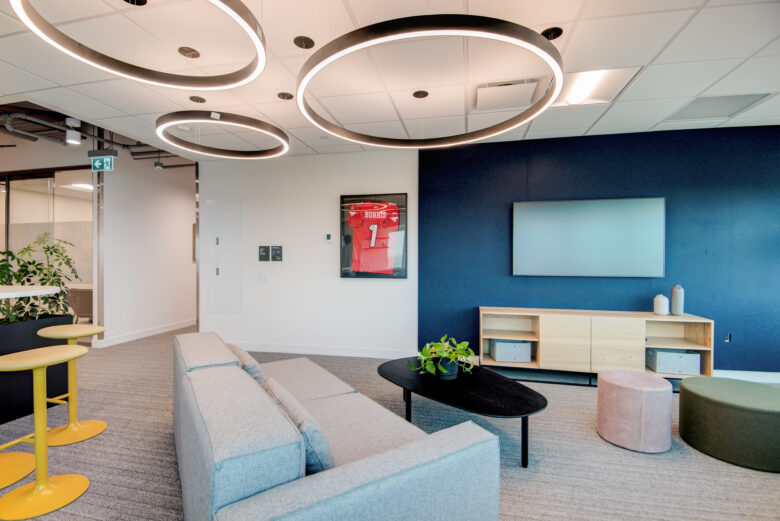
New Lutron lighting control design
New UPS N+1 Design and new LED Lighting Design
SERVICES
Mechanical Engineering | Electrical Engineering | Lighting Design | Communications & Security Design
PROJECT FEATURES
Size: 40,000 ft2 over two floors | Status: Completed 2023
LOCATION
Calgary, Alberta
KEY SCOPE ELEMENTS
Feasibility Study | Tenant renovation | Condensed construction schedule | WELL Gold certified