
Service: Vertical Transportation
Toronto Transit Commission
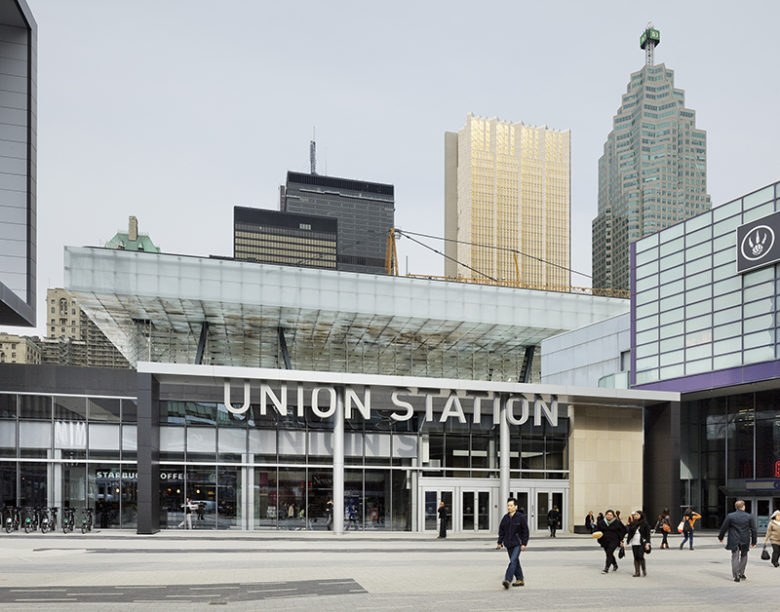
Union Station Revitalization
One goal of this revitalization project was to substantially improve public access throughout the almost century-old Union Station. To that end, numerous elevating devices were added to the site.
Union Station is Canada’s busiest rail passenger facility, handling as many as 65 million passengers annually. This number is expected to grow substantially in the future, along with expanded commuter rail and other services. To assist in improving public access, HH Angus served as the Vertical Transportation (VT) Consultants overseeing work associated with more than 30 elevators and 20 escalators that were installed at various stages of construction.
Six completely new basement traction freight elevators were installed, engineered to suit existing hoistways, which were retained from above the platform level. To meet the requirements for heritage-designated sites, new landing doors for these elevators were designed to mimic the original door panels.
Specific to GO Transit, seven new MRL (machine room-less) traction elevators were introduced, while two existing hydraulic elevators underwent major alterations, and three existing hydraulic elevators were decommissioned.
HH Angus’ scope of services extended from the Concept Design stage through to commissioning reviews performed during the Construction Administration phase.
SERVICES
Vertical Transportation Consultants
PROJECT FEATURES
Status: Completed 2018
LOCATION
Toronto, Ontario
KEY SCOPE ELEMENTS Vertical Oversaw more than 30 elevators and 20 escalators at various stages of construction | 7 new MRL traction elevators | Major alterations to 2 existing hydraulic elevators
Full range of services
Both passenger and freight elevators were included in the total VT installation, representing new equipment as well as units that were altered from prior installation.
Tyndale University College & Seminary
Mother House Renovations
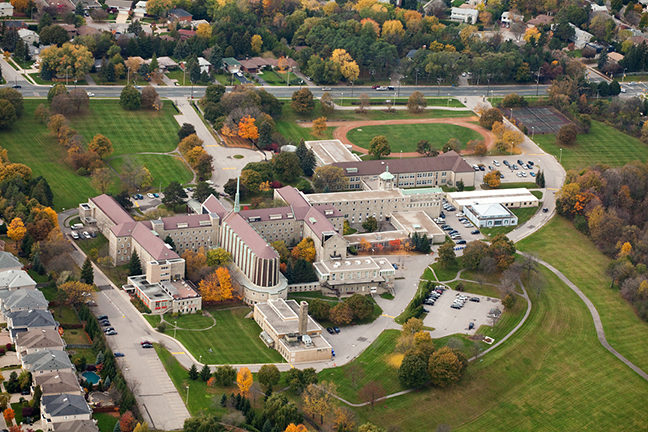
This project centred on the renovation of an existing structure that dated from the late 1950s for new occupancy. The building was formerly home to a Catholic nunnery. Vatican approval was required to transfer the campus from Catholic to Protestant hands, and a key reason for the approval was Tyndale’s commitment to continue to protect the nunnery’s aesthetically significant chapel as “sacred space”.
HH Angus’ scope for this project included upgrades to major mechanical and electrical infrastructure, addition of a fire protection system, and life safety system upgrades. Existing vertical transportation systems were upgraded to meet current standards.
Upgrades to the mechanical infrastructure systems were designed to accommodate future capacity increases, and are expandable to suit planned renovations and additions in other areas of the building.
A chiller replacement was required as the first stage of the renovation. This was necessary due to the phase out of R-11 refrigerant, as well as the chiller being at life cycle end. The replacement was fast-tracked and equipment pre-purchased in order to meet the schedule.
The chilled water plant was provided with an optimization control package and integrated with cooling tower and circulating pumps variable speed drives for improved operational efficiency.
Among the challenges of this project was a short construction schedule. Access to the site was very limited, due to presence of occupants, which limited survey work. As well, the budget was firmly set, so creative solutions were required to ensure that the building would be ready for occupancy when the academic year began. These solutions included:
- Hybrid heating system utilizing existing steam and hot water generation
- Temporary power to permit continued occupancy during construction
- Pre-tendering all long lead components
- Phasing planning and upfront design for future building expansion and renovation
SERVICES
Mechanical Engineering | Electrical Engineering | Vertical Transportation Consultant
PROJECT FEATURES
Size: Mother House: approx. 286,540 ft2; Tyndale High School: approx. 83,680 ft2 | Status: Completed 2015
LOCATION
Toronto, Ontario
KEY SCOPE ELEMENTS
Upgrades to major mechanical and electrical infrastructure | Addition of fire protection (sprinkler) system & life safety system upgrades
Ensuring continued operations
The Administration wing of building remained occupied and fully operational during construction.
Rebate application assistance
HH Angus applied for incentives with Toronto Hydro on the Owner’s behalf. The project was eligible for a rebate from the Save-ON-Energy program.
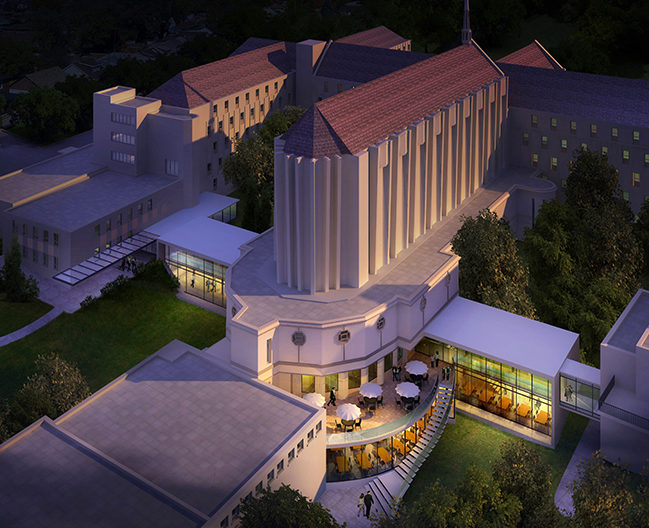
— Photos courtesy of CS&P Architects
City of Mississauga
Mississauga Bus Rapid Transit
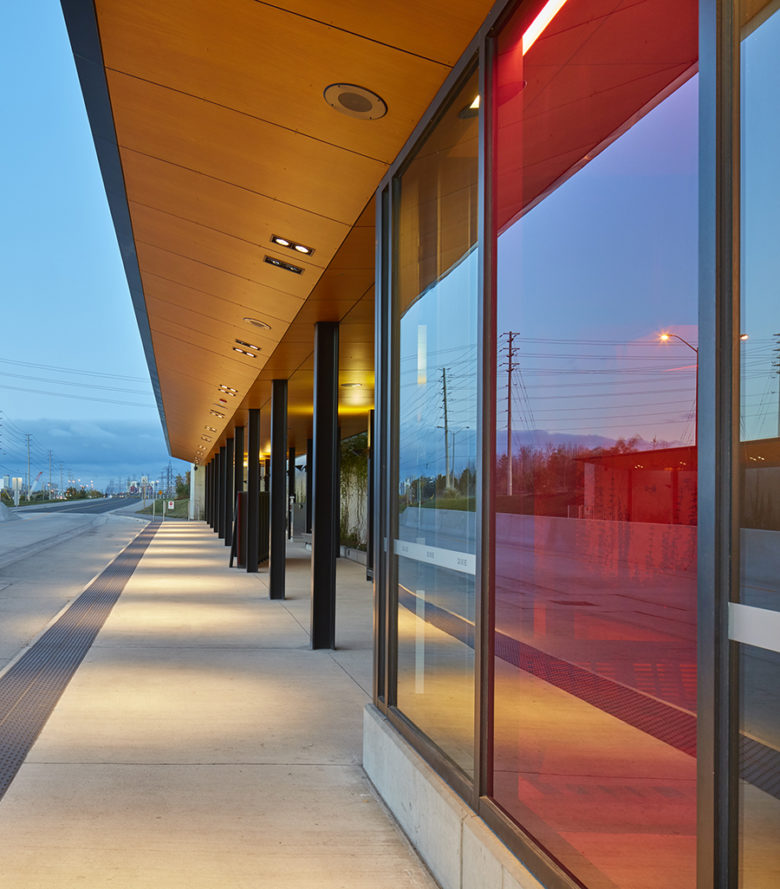
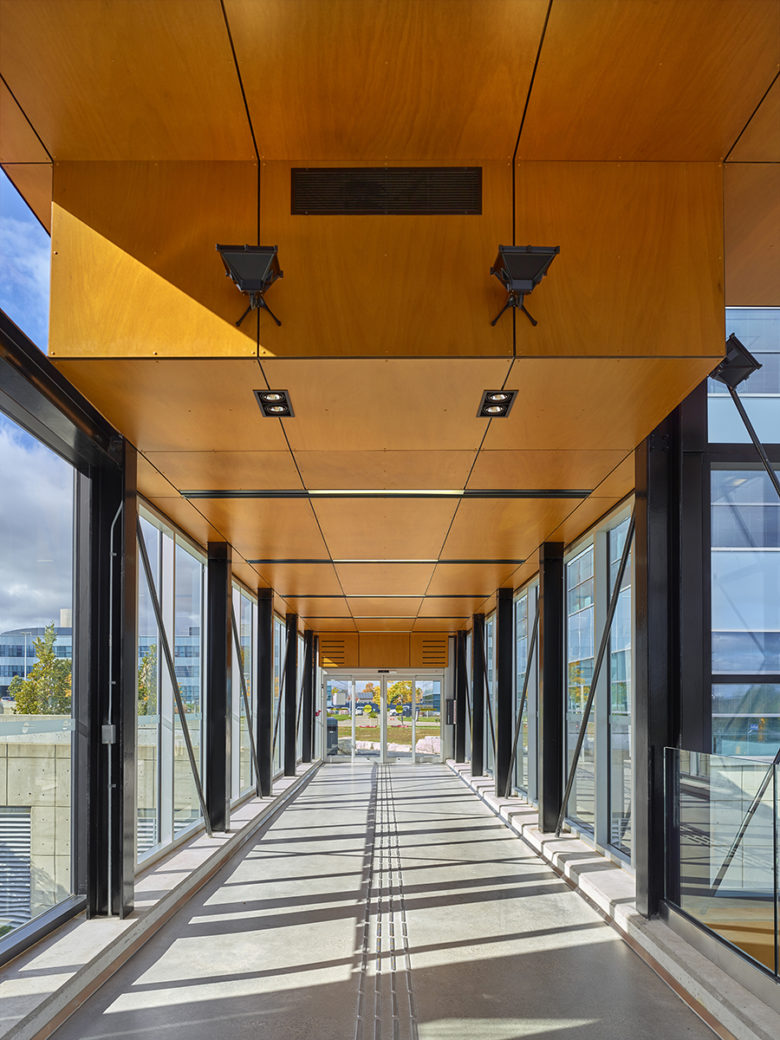
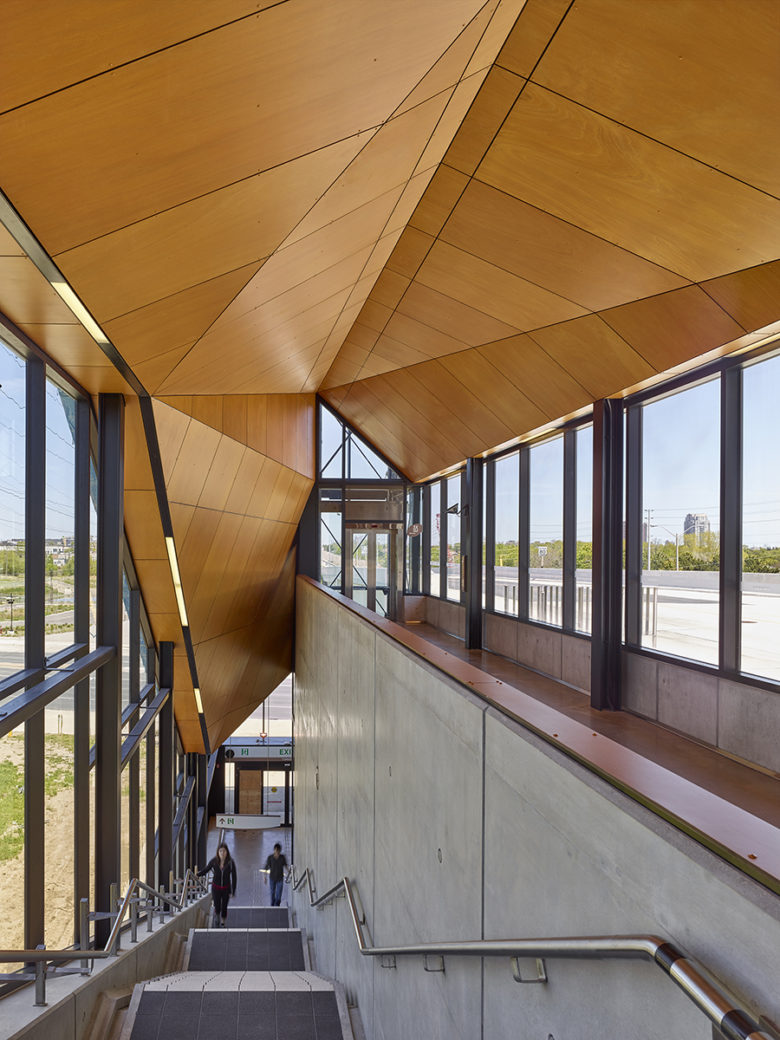
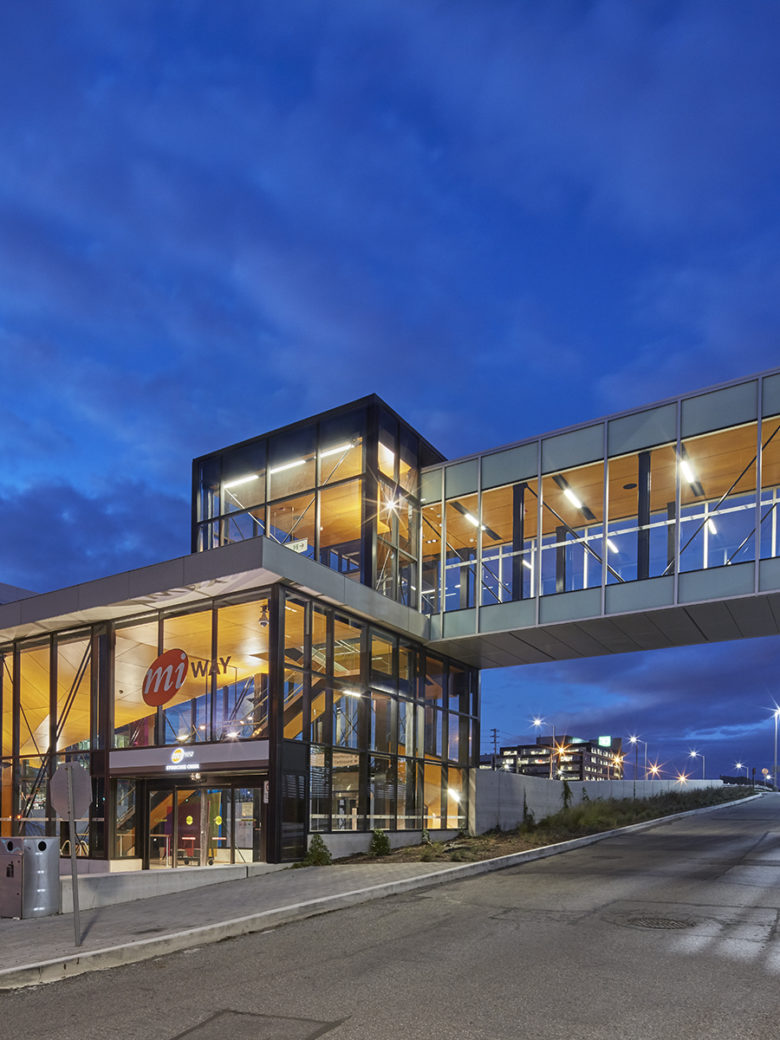
The Mississauga Bus Rapid Transit (BRT) project provides rapid transit stations (platforms, shelters, access paths) in the Highway 403 / Eastgate Parkway / Eglinton Avenue corridor.
HH Angus was responsible for Mechanical, Electrical and Vertical Transportation design consulting engineering. Our scope included:
- Heating, Ventilation, and Air Conditioning (HVAC) systems: heating for the waiting areas, passenger information, ticketing and support rooms; platform snow melting; and ventilation and supplemental air conditioning
- Plumbing and drainage systems: fixtures; domestic water; and drainage systems (storm and sanitary)
- Normal Power: incoming electrical service; power distribution
- Emergency Power
- Lighting
- Communication Systems: fire alarm systems; telephone and data raceways; public address system and help telephones system; passenger information system; card access and security system; CCTV surveillance cameras system; fare vending system; fibre optic system; and life safety lighting inverter system.
HH Angus’ Vertical Transportation Group provided design assistance for the seven East Stations, which allow for convenient public access between Platform and Concourse levels. A total of fourteen (14) custom designed, roped hydraulic, elevators were provided (two per station).
SERVICES
Mechanical Engineering | Electrical Engineering | Vertical Transportation Consultants
PROJECT FEATURES
Status: Completed 2014
LOCATION
Mississauga, Ontario
KEY SCOPE ELEMENTS
HVAC, plumbing and drainage systems | Vertical transportation design assistance for 7 East stations to allow convenient public access between platforms and concourse levels
Custom-designed elevators
Tight space conditions required that the elevator shaft sizes be optimized and the car shape be designed to accommodate both mobility assist devices and emergency response gurneys. Enclosed in a glass and structural steel shaft, the elevator cabs complement the station’s unique architectural design by maximizing the use of glass for both cabs and entrances.
The transparency offered by the design enhances the security of those using the elevators, while an array of operating features simplify both routine and emergency functions.
Dedicated public transit routes
Much of the BRT East route is located within the Parkway Belt West, a broad band of public property reserved for linear transportation facilities and utilities. The corridor is occupied by various underground and overhead utilities and crossed by several roads, with access road linkages to adjacent arterials.
Qualico Developments West Edmonton
Epcor Tower
“Skyscrapers have always inspired the public’s imagination, helping to define a city’s significance and identity. A key consideration for the project team behind EPCOR Tower was the need to create a timeless landmark facility that sets new standards in urban development for the 21st Century.”
— Christiaan Odinga, Lead Designer & Project Manager
EPCOR Tower, at time of construction, represented Edmonton’s first high rise office tower in 20 years. Located at the gateway to the downtown core, it was one of the tallest and most distinctive buildings in the city. The tower, comprising 28 storeys, incorporates a range of sustainable design, construction and operational features and was certified LEED® Silver. It was selected as one of Canada’s most environmentally advanced buildings, and was featured at the World Sustainability Conference in Finland in 2011. Vertical Transportation systems for the building consist of six low-rise elevators, six high-rise elevators, one dedicated service elevator and three parking shuttles.
SERVICES
Vertical Transportation Consultants
PROJECT FEATURES
Size: 623,900 ft2 | Status: Completed 2012
LOCATION
Edmonton, Alberta
KEY SCOPE ELEMENTS
6 low-rise elevators, 6 high-rise elevators, 1 dedicated service elevator and 3 parking shuttles | Certified LEED® Silver
Toronto Metropolitan University (formerly Ryerson)
Mattamy Athletic Centre
This redevelopment project included a 225,632 ft2 athletic facility incorporating an NHL-sized ice rink with seating for 2,796, a multi-purpose court with 1,000+ seats, a fitness centre, studios and a high performance gym.
Elevating devices in this facility are readily available for public use and consist of two passenger elevators and three escalators. One large freight elevator (suitable for moving the ice-resurfacer) and a single Type B Material Lift were provided to manage the material handling requirements of the facility.
HH Angus provided Vertical Transportation Design Consulting to assist the architect in the design and selection of elevating devices for the Toronto Metropolitan University portion of this facility.
Photo credit: Toronto Metropolitan University
SERVICES
Vertical Transportation Design
PROJECT FEATURES
Size: 225,632 ft2 | Status: Completed 2012
LOCATION
Toronto, Ontario
KEY SCOPE ELEMENTS
2 passenger elevators | 3 escalators | l large freight elevator | Type B Material Lift