
Location: Eastern Canada
Ontario Power Generation
Oshawa Headquarters
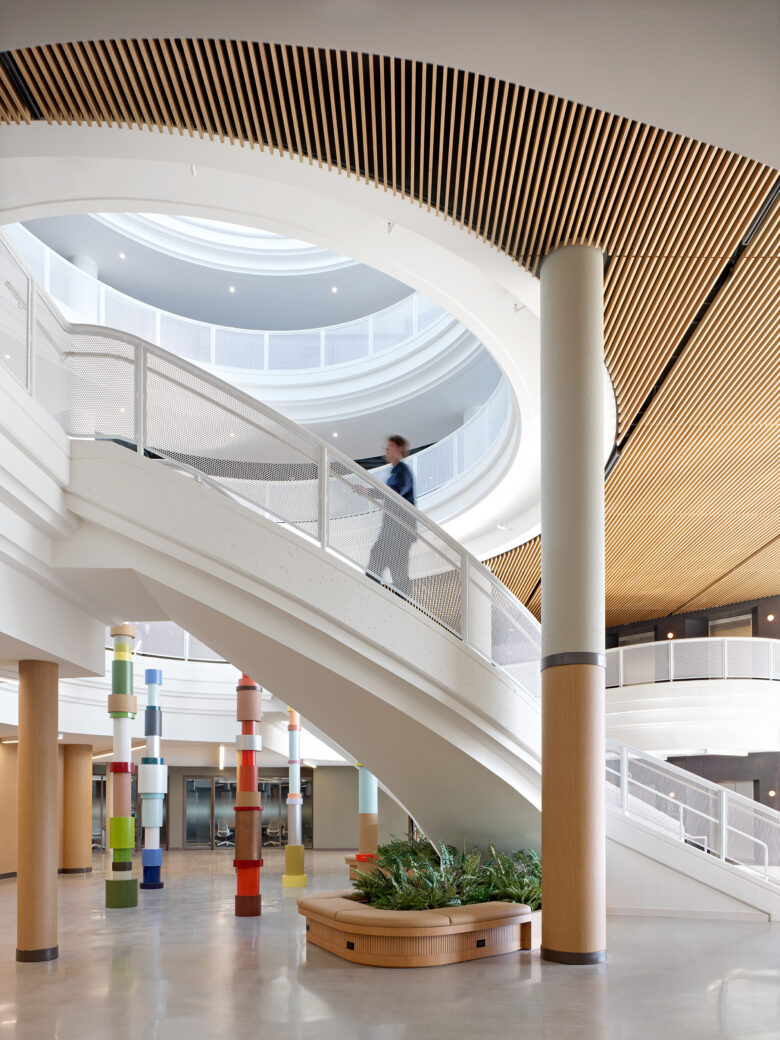
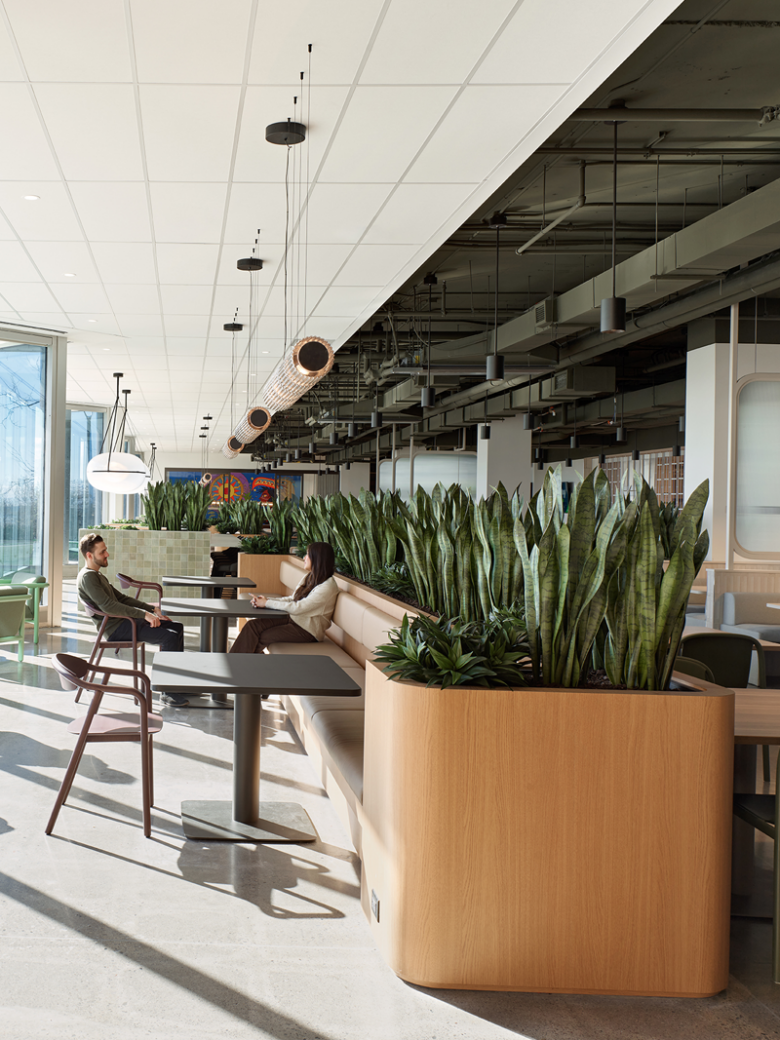
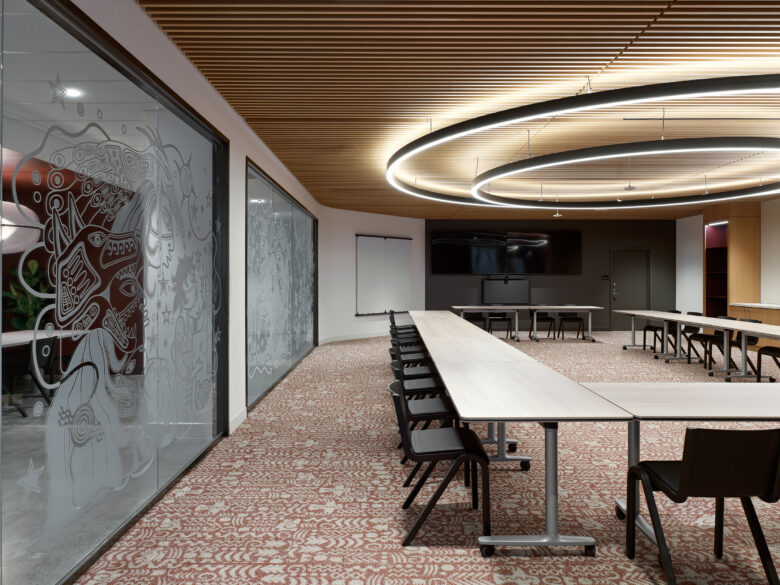
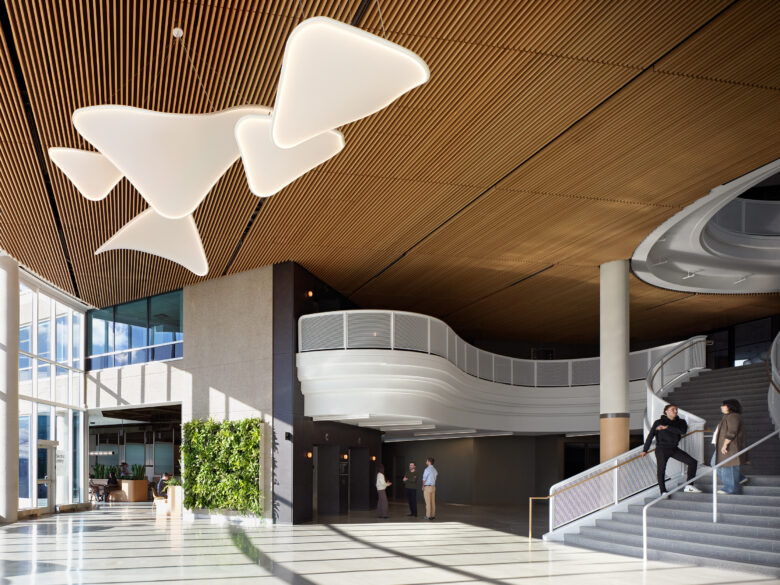
OPG set out to unite its various corporate offices into a single, modern facility that embodies collaboration, efficiency, and long-term sustainability. Repurposing the former GM headquarters brought new life to an iconic site. The project was recognized with a 2026 Award of Distinction from the Association of Consulting Engineering Companies - Ontario Chapter, an IES Toronto Section Award of Merit for excellence in lighting design, and a Canadian Interiors 'Best of Canada' Award.
OPG selected Oshawa as its new corporate headquarters, purchasing and redeveloping a well-known building - the former General Motors (GM) administration building — a 285,000 ft2 facility with five levels (four storeys plus a lower concourse).
The project brought together OPG’s non-station staff from across the Greater Toronto area and Durham Region under one roof, transforming the existing structure through extensive interior and exterior renovations. Upgrades encompassed all major building systems, focusing on enhancing performance, comfort, and environmental responsibility.
HH Angus and Associates played a pivotal role as mechanical and electrical engineers, IMIT and lighting consultants, owner’s engineer, plumbing/fire protection/life safety designer, and commissioning authority.
The overarching goal was to create a future-ready workplace capable of supporting OPG’s operational and cultural needs for the next 40 years — targeting a net-zero carbon footprint and integrating leading sustainable design strategies throughout.
Meeting the objectives
HH Angus’ design solution had high sustainability and energy aspirations and involved the adaptive re-use and re-development of the GM administration building in Oshawa. HH Angus’ Commercial and Angus Connect teams came together for this project.
The project team successfully navigated a series of challenges that tested both creativity and collaboration, ultimately demonstrating their ability to deliver excellence under demanding conditions.
Materials and equipment
The unique use of materials was in fact the ‘re-use of materials’, significantly reducing deconstruction waste and embodied carbon. Much of the existing HVAC equipment was optimized (e.g., terminal heating and cooling devices) to enhance performance and capacity, rather than replacing the distribution network.
Internal resources, experience and expertise
To meet the demands of the accelerated schedule, the project team of mobilized a robust internal team, drawing on resources from across the firm. This collaborative effort, made possible by the firm’s size and depth of expertise, allowed us to maintain quality and precision while delivering on time.
Apart from strategic reuse of existing infrastructure, to accommodate increased occupancy, the design team included the use of energy recovery and thermal storage to allow system capacities to be sized below the peak demands to get the most out of the cost and embodied carbon of the equipment provided.
Outcome
Through ingenuity, collaboration, and technical excellence, the team successfully overcame these challenges—delivering a high-performance, cost-effective design that met the client’s objectives and ambitious goals, and reinforced their trust in the team’s ability to deliver innovative solutions under pressure.
SERVICES
Mechanical Engineering | Electrical Engineering | IMIT Design | Lighting Design | Owner's Engineer | Plumbing Design | Fire Protection | Life Safety Design | Commissioning Authority
PROJECT FEATURES
Size: 285,000 ft2, 5 levels (four storeys plus lower concourse) | Completed 2025 | Recipient of a 2026 ACEC/OEPA Award of Distinction for engineering excellence | Recipient of a 2026 IES Toronto Section Award of Merit for excellence in lighting design | Canadian Interiors 'Best of Canada' award
LOCATION
Oshawa, Ontario
KEY SCOPE ELEMENTS
Interior and exterior base building renovation | Condensed design schedule | Mandatory sustainability requirements | Repurposing of original HVAC equipment | Heat pump technology | Air-to-air energy recovery | All new DALI Lighting Control System
Collaborative process
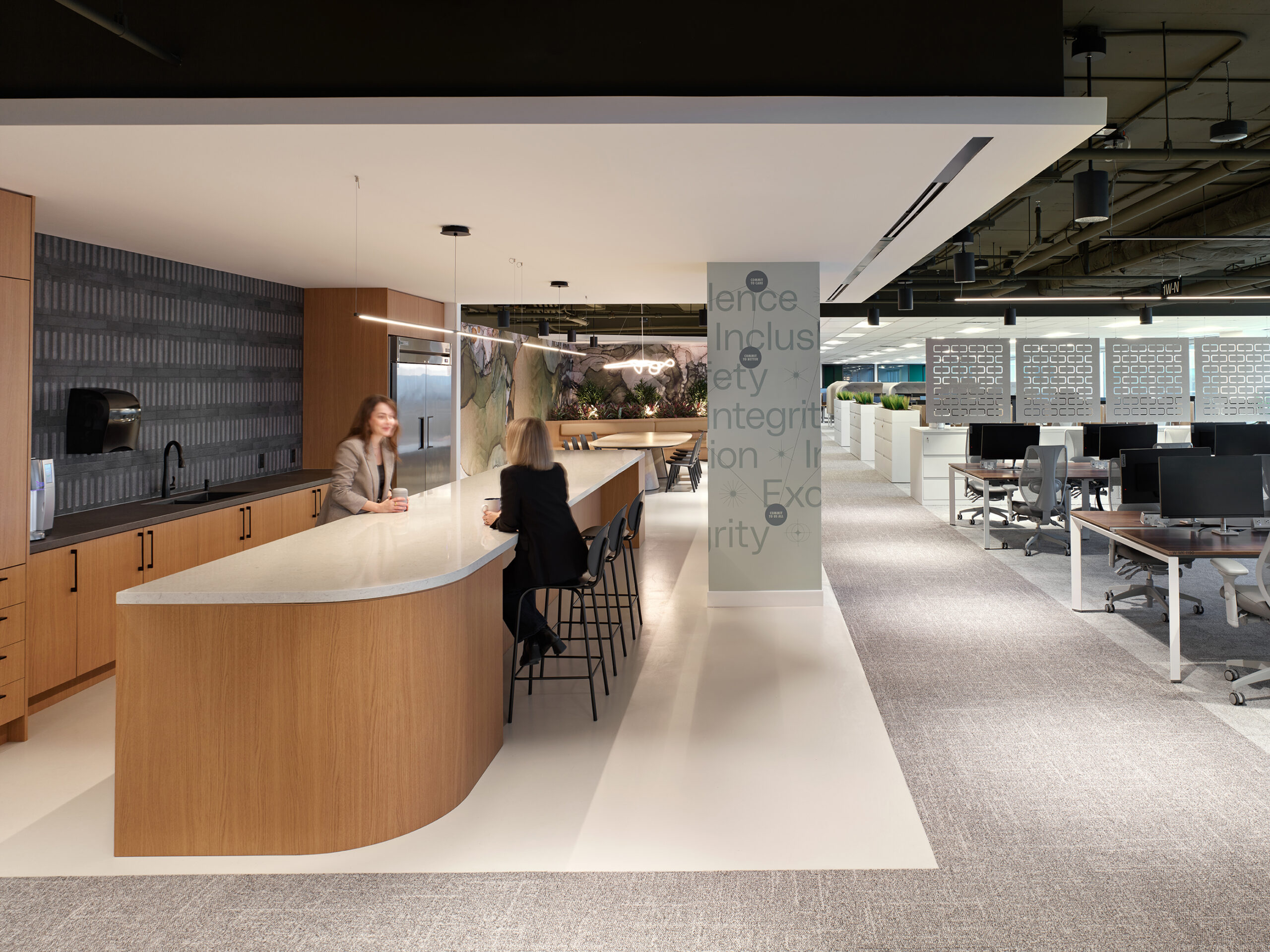
An interesting challenge was meeting the fixed project budget while delivering design integrity. To address this, the team dedicated many hours to an intensely collaborative process—partnering closely with manufacturers, vendors, and contractors to identify cost-effective solutions that preserved the client’s vision and design intent. Through innovative thinking, open communication, and strategic value engineering, the project was successfully delivered within budget while maintaining both functionality and aesthetic integrity.
Repurposing building systems
A further challenge emerged with the new interior layout, pushing existing building systems beyond their designed capacity. Rather than opting for a costly and disruptive full replacement of the distribution ductwork, the design team developed a strategic, resourceful solution. By introducing terminal heating and cooling devices to supplement the existing infrastructure, the required system performance was achieved efficiently and sustainably.
CN Tower
Lower Observation Level
The CN Tower's Lower Observation Level was completed and unveiled in January 2026, as part
of the attraction's 50th anniversary celebrations.
The refurbished area comprises 10,600 square feet, including both indoor and outdoor viewing areas, a
glass floor, stairwells, washrooms, and the SkyPod elevator lobby. The project won an IES Toronto Section Award for Excellence in Lighting.
The project was designed to seamlessly extend the recently renovated Main Observation Level 3 aesthetic down to Outdoor Observation Level 2, creating a cohesive and elevated visitor experience.
This renovation marked the first major upgrade to Level 2 since the Tower opened in 1976. HH Angus provided comprehensive mechanical, electrical, lighting, and communications engineering services as part of the transformation.
The project has been shortlisted for the World Architecture Festival awards, in the 2026 'Interiors, Public Buildings' category.
Mechanical
Scope included the complete refurbishment of existing washrooms, the addition of a new fully accessible washroom, and modifications to the HVAC systems to accommodate the new slatted ceiling design and updated spatial configuration.
Electrical
Work included upgrades to electrical distribution systems and coordination of power requirements for sophisticated new audiovisual installations. LED linear lighting was integrated along the perimeter core walls, and major infrastructure upgrades were implemented to accommodate a future perimeter heated glass system.
Lighting
A new lighting design was developed throughout the space, including exterior colour-changing LED ceiling lighting at the Outdoor Observation Level. Perimeter lighting creates the Tower’s signature exterior glow, enhancing its nighttime presence. Emergency lighting systems were also upgraded as part of the project. The lighting design was recognized with an IES Toronto Section Award.
Communications
The project included new horizontal cabling infrastructure to support enhanced IT, AV, and security systems. Security enhancements included the deployment of new fixed and PTZ cameras to improve interior and exterior monitoring and support life safety objectives. New fibre optic cabling was installed, along with perimeter Color Kinetics lighting controls that contribute to the Tower’s distinctive exterior illumination.
SERVICES
Mechanical Engineering | Electrical Engineering | LIghting Design | Communications Design
PROJECT FEATURES
Size: 10,600 ft2 | Status: Completed January 2026 as part of the Tower's 50th Anniversary celebrations
LOCATION
Toronto, Ontario
KEY SCOPE ELEMENTS
Refurbishment of client amenities, HVAC, spatial configuration, electrical distribution system including future capacity for heated glass, new cabling infrastructure to support IT, AV, security, new lighting design throughout, perimeter lighting; exterior illumination

The visitor experience
The renovation creates a cohesive and elevated space, enhancing the new visitor activity options.


Balmoral Recreation Centre
Renovation and Expansion
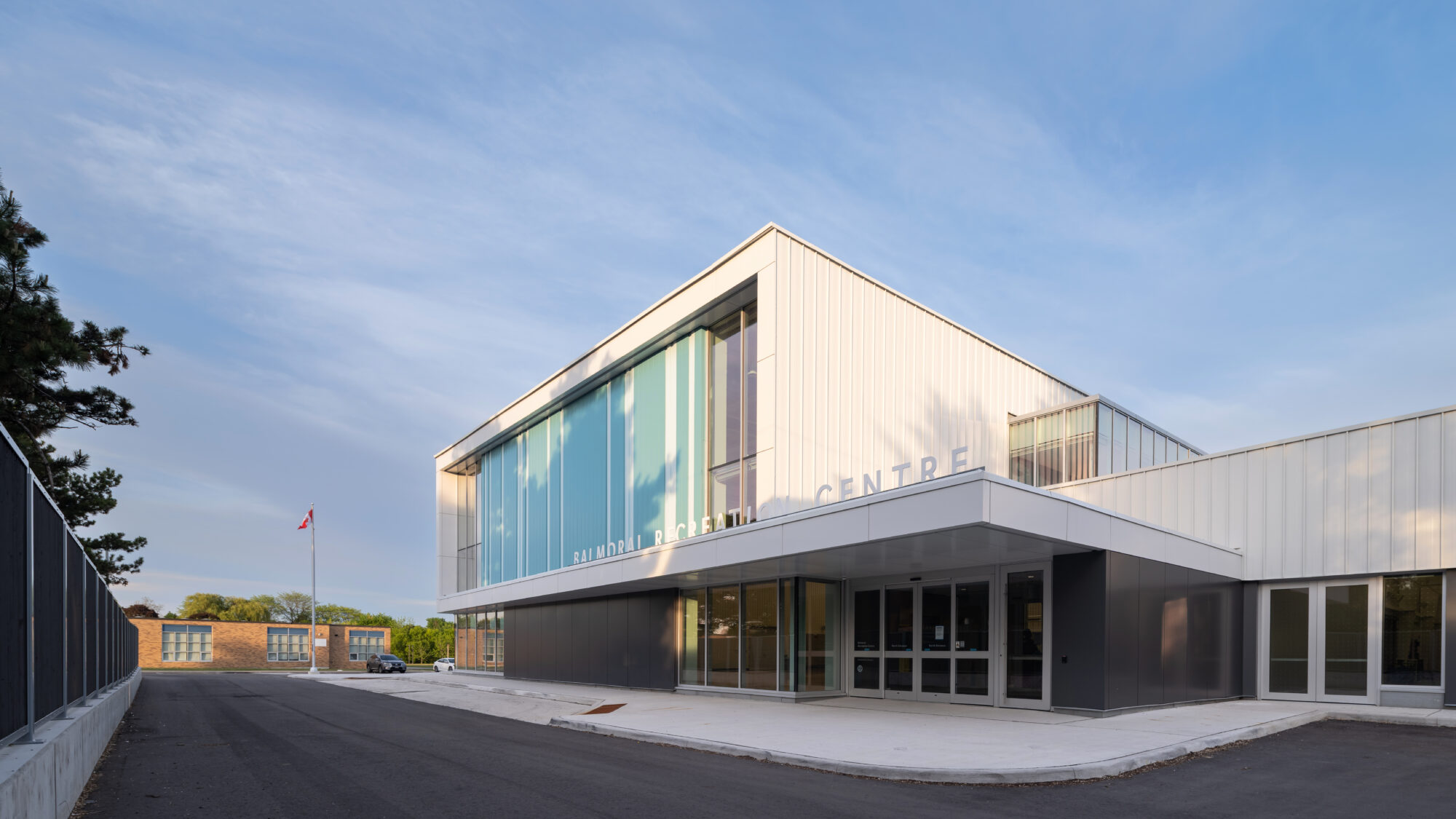
The City of Brampton undertook an extensive revitalization of its existing 53-year old recreation centre.
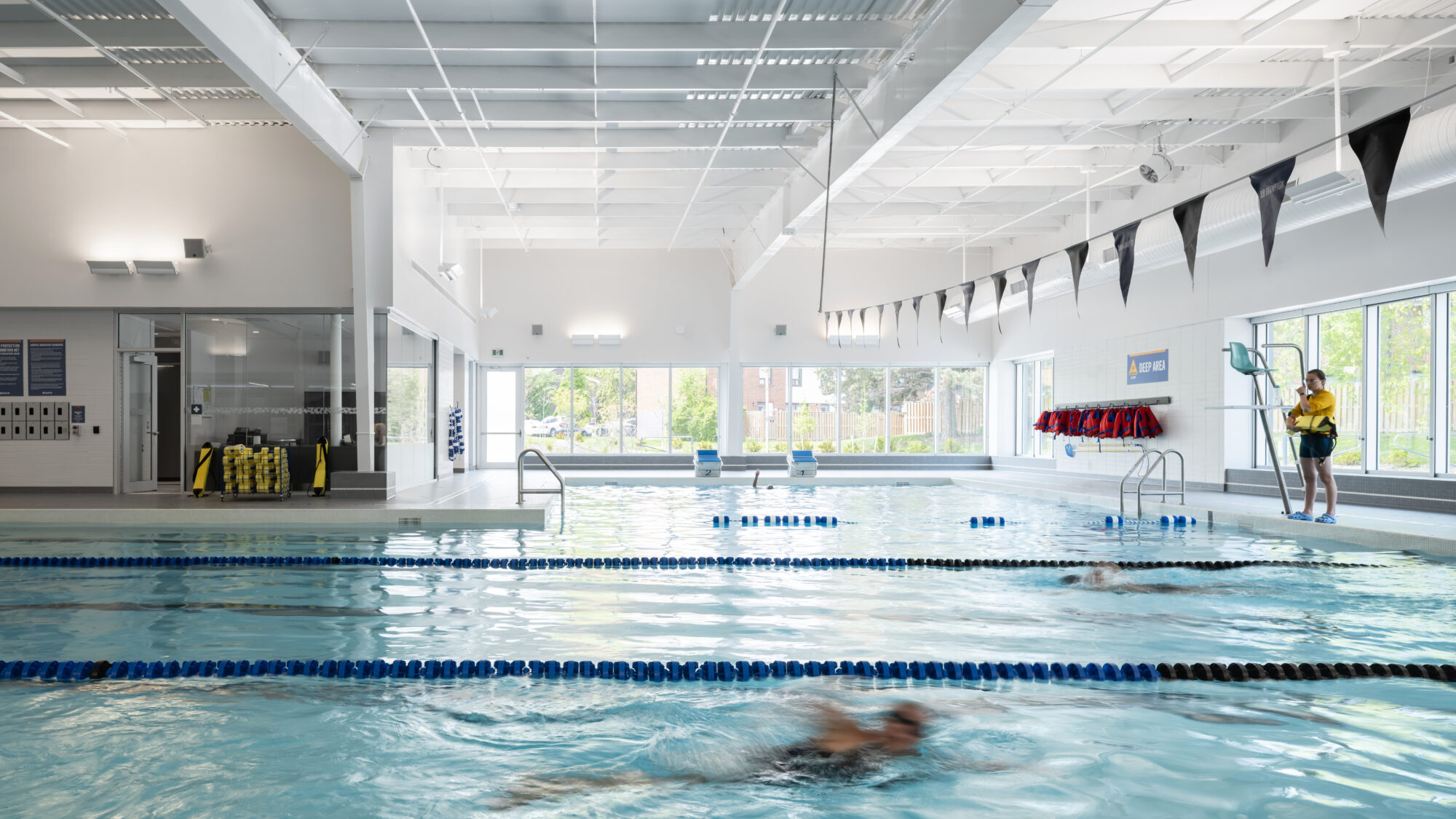
The project involved a near-total demolition of the existing facility, with the exception of the steel structure of the pool and pool basin. The renovation and expansion have delivered an almost entirely new facility, nearly doubling the size of the former centre to 35,000 ft2. LEED Silver certification is in progress. HH Angus provided mechanical and electrical engineering, ICAT design, and lighting design services.
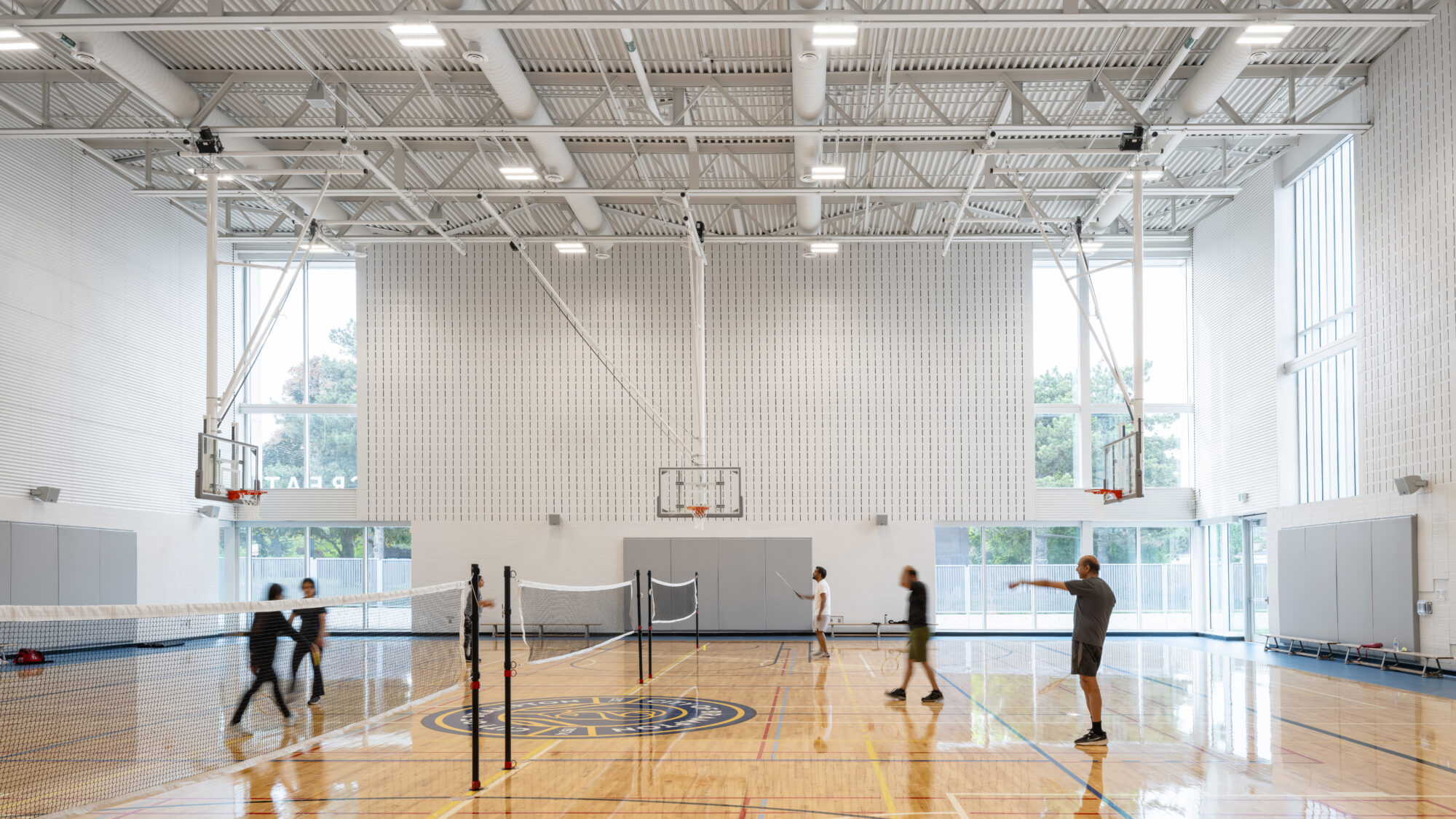
Key features include the rehabilitated pool, updated change rooms, a multi-sport gymnasium with an Olympic-sized FIBA court (smaller than an NBA court), a sauna, and two multi-purpose rooms that can open to create a more versatile space. The design also incorporates a large, interconnected lobby and administrative offices. Exterior improvements include additional onsite parking, as well as a new outdoor splash pad and playground.
The project replaces all air distribution systems serving the rehabilitated pool and introduces a new high-efficiency condensing boiler system to heat both the pool and the building perimeter. Heat recovery from discharged water is used to preheat incoming cold water for the pool, contributing to the achievement of multiple LEED credits. High-efficiency rooftop units equipped with heat pumps and heat recovery wheels significantly reduce overall energy consumption. Occupancy and CO₂ sensors further optimize performance by ramping mechanical systems up only when spaces are in use. Automatic curtains and daylighting strategies reduce energy demand for interior lighting, while low-flow plumbing fixtures throughout the facility help minimize water usage.
SERVICES
Mechanical Engineering | Electrical Engineering | ICAT Design | Lighting Design
PROJECT FEATURES
Renovation and expansion to create a new facility nearly doubling in size to 35,000 ft2 | LEED Silver certification in progress | Status: Completed 2025
LOCATION
Brampton, Ontario
Air Canada
20 Queen Street - Office Fitout
Air Canada’s downtown Toronto office encompasses the entire 26th floor at 20 Queen Street West, with a total area of 20,000 ft2, including the elevator lobby.
For Air Canada's recent renovation, HH Angus provided mechanical and electrical engineering and ICAT design services.
The project featured high-end finishes in the reception area, café, a fully accessible washroom, integrated advanced lighting controls and multiple AC units to enhance occupant comfort and energy efficiency. The result is a modern, high-performance space custom tailored to the client’s needs.
SERVICES
Mechanical Engineering | Electrical Engineering | ICAT Design
PROJECT FEATURES
Size: 20,000 ft2 | Status: Completed 2025
LOCATION
Toronto, Ontario
KEY SCOPE ELEMENTS
Complete Interior fitout including elevator lobby | Advanced lighting controls | AC units
Children's Hospital of Eastern Ontario (CHEO)
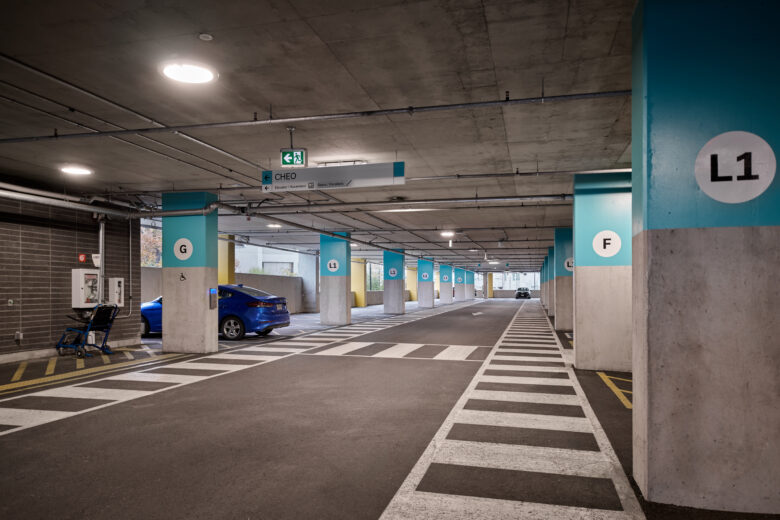
Parking Garage
HH Angus is part of the EllisDon Infrastructure team awarded the Design-Build-Finance (DBF) contract for the new CHEO Integrated Treatment Centre (also known as 1Door4Care).
As part of this redevelopment, HH Angus provided mechanical and electrical engineering and fire protection design services for the design of a new 7-storey, 1,050 space parking garage for the hospital which addresses current demand challenges while supporting future growth of the healthcare campus. The new parking garage includes 94 accessible parking spaces and 21 electric vehicle (EV) charging stations.
HH Angus is also providing mechanical engineering services for the design of the new 6-storey, 233,000 ft2 CHEO Integrated Treatment Centre with anticipated completion in Fall 2027.
SERVICES
Mechanical Engineering | Electrical Engineering | Fire Protection Design
PROJECT FEATURES
Size: 7 storeys, 1050 space parking garage | Status: Completed 2025
LOCATION
Ottawa, Ontario