
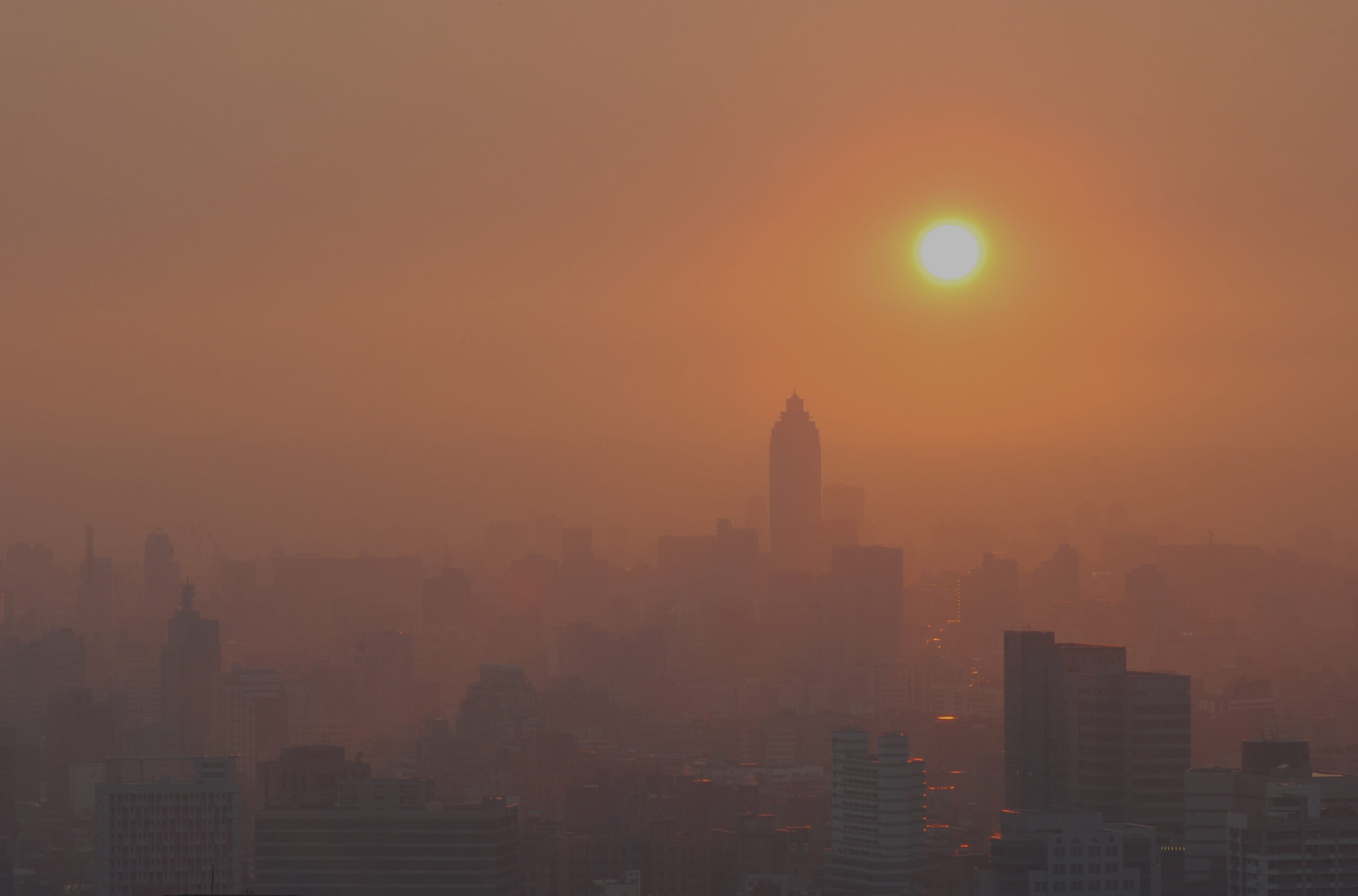
Wildfire Concerns
Wildfire smoke poses a clear health concern. Given the air quality issues Canada has been experiencing due to wildfires in recent years, Building Owners and Facilities Teams must consider implementing a smoke readiness plan and take actions to help mitigate smoke entrainment in buildings.
In wildfire conditions, for care facilities, that means having to maintain safe indoor air for patients, staff, visitors, and other members of the public. Hospitals must function as a cleaner-air space by minimizing smoke-infiltration via two-stage filtration systems, portable air cleaners with HEPA or carbon media, sensor technologies, and a smoke readiness plan.
This white paper provides a high-level summary of known practices in building design and management to minimize impacts of wildfire smoke on human health and hospital operations.
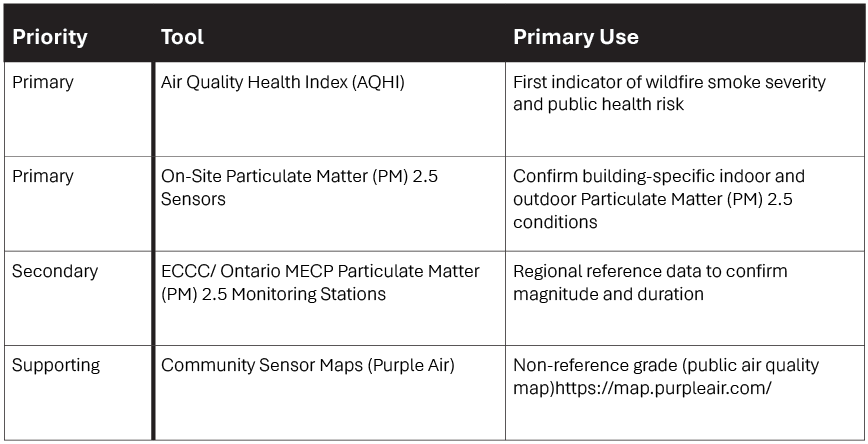
Wildfire Monitoring Tools
The first step in preparing for wildfire events is knowing what tools to reference to detect wildfire smoke severity, magnitude and duration. The following monitoring tools should be referenced by the building operations team. Building Smoke Readiness Plan The following checklist supports wildfire smoke readiness. It should be completed to identify gaps and guide next steps for the hospital.
Building Smoke Readiness Plan
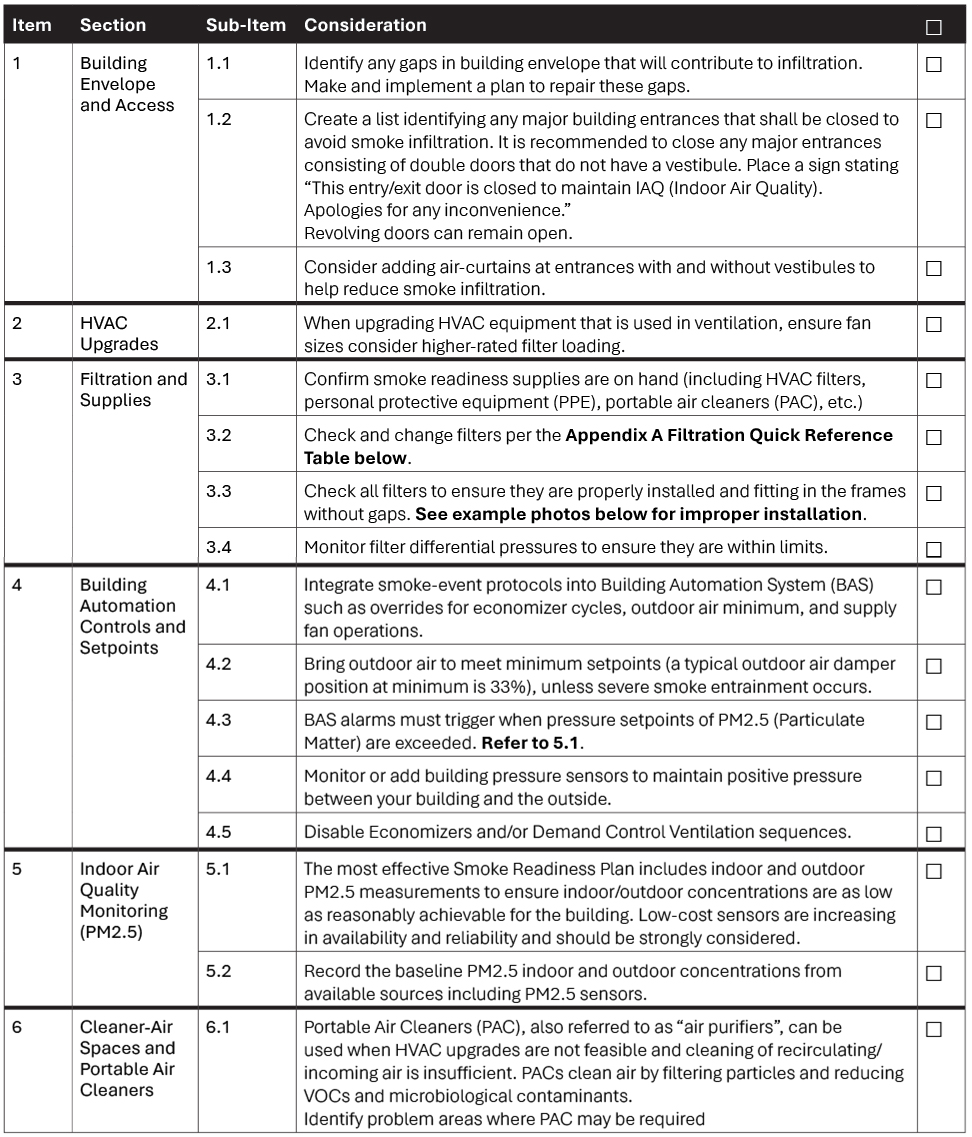
The following checklist supports wildfire smoke readiness. It should be
completed to identify gaps and guide next steps for the hospital.
Table 2 Smoke Readiness Plan Checklist
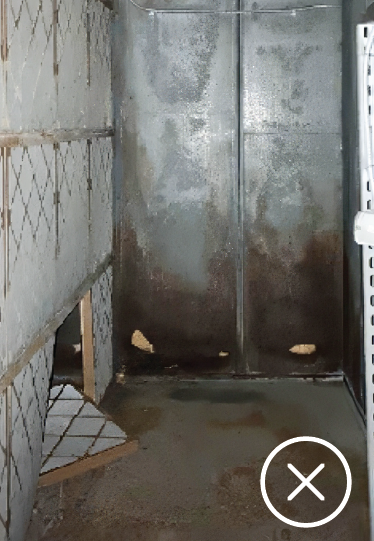
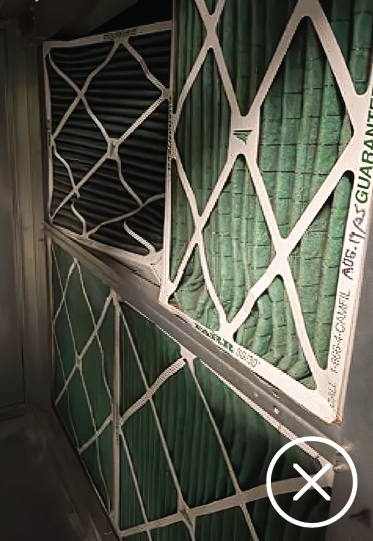
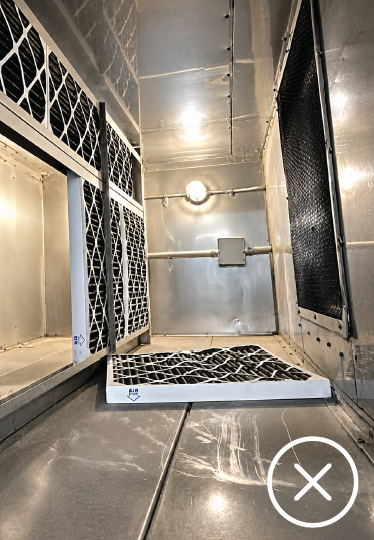
Example photos of improper filter installation.
Conclusion
It is important for building owners and facilities teams, especially serving systems for care facilities, to make a plan to mitigate the impact of wildfire smoke on their buildings. Minimizing smoke-infiltration via two-stage filtration systems, portable air cleaners with HEPA or carbon media, sensor technologies for air quality monitoring and a smoke readiness plan are key tools in wildfire smoke management.
HH Angus can provide hospital-specific mitigation strategies and implementation studies to mitigate wildfire smoke intrusion and protect indoor air quality in your building. Please reach out to the white paper contributors for more information.
Further Reading
This document draws information from the following reference material:
• ASHRAE – ASHRAE Standard 44: Protecting Building Occupants from Smoke
During Wildfire and Prescribed Burn Events (November 2024)
• CDC – Evidence on the Use of Indoor Air Filtration as an Intervention for
Wildfire Smoke Pollutant Exposure (July 2020)
• MOH – Wildfire Smoke and Air Quality Reference Document (2024)
Appendix A
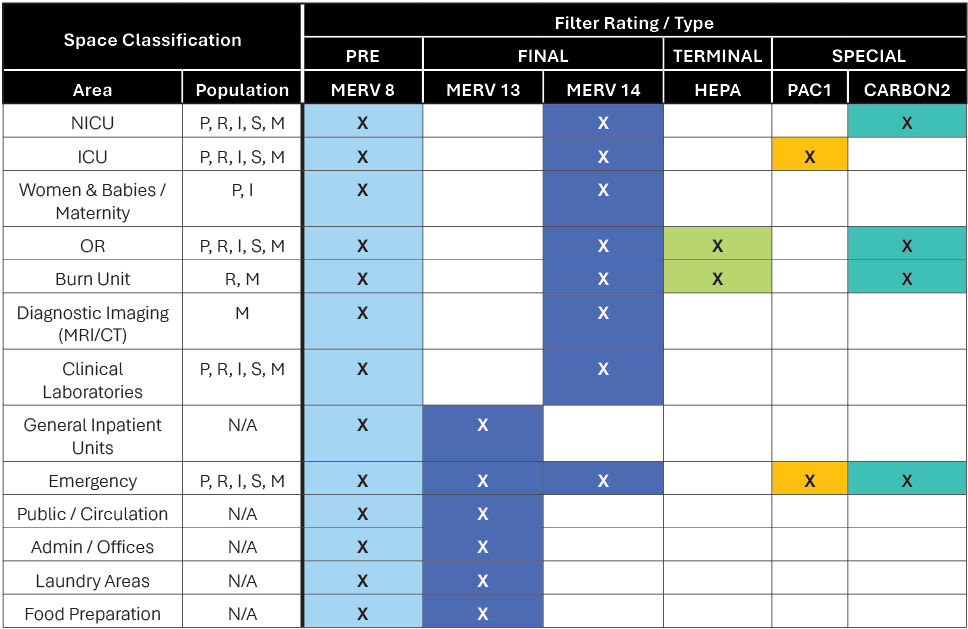
Filtration recommendations are classified by space type and the at-risk populations occupying the spaces. Yellow and Orange filters shall be put in place during a wildfire event or when one is imminent.
Classification of at-risk populations (PRISM):
P - Pregnant Women
R - Respiratory/ Cardiovascular
I - Infants/ Children
S - Seniors
M – Medically Complex / Immunocompromised
Notes
1. PAC (Portable Air Cleaners) should be used where there might be surge populations.
2. Carbon filters should be used to specifically remove odours from rooms.



Kari Rosteck, P.Eng., CCP
Senior Engineer, Health